

Table of Contents
- Why You Sweat at Night: Common Causes in Adults
- How to Stop Sweating at Night: 5 Immediate Fixes
- How to Keep Bedroom Cool at Night for Better Sleep
- Best Cooling Sheets for Hot Sleepers: What to Look For
- Track Your Night Sweats: A Simple Diagnostic Log
- When to See a Doctor for Night Sweats
- Conclusion
- Frequently Asked Questions
Last Updated: September 8, 2026
Waking up with soaking wet sheets is exhausting, but you don't have to accept it as normal. Night sweats are a common complaint among adults, and the causes range from simple room temperature issues to underlying medical conditions that deserve attention. This guide from Bambusasheets breaks down the practical fixes that work, starting with the immediate changes you can make tonight to stop sweating at night and finally get the restful sleep your body needs.
The most effective approach combines environmental adjustments with smart bedding choices. Many people discover that their nighttime perspiration has less to do with their health and more to do with how their bedroom retains heat. Below, we'll walk through five fixes you can implement immediately, then explore the fabric technology and habits that make a lasting difference. We'll also cover when those night sweats signal something that requires a doctor's visit.
Why You Sweat at Night: Common Causes in Adults
Night sweats, medically distinct from simply feeling warm, are episodes of drenching perspiration that soak through your clothing and bedding. The causes of night sweats in adults fall into several categories, and identifying yours is the first step toward a solution.
Hormonal fluctuations are a leading trigger. For women, perimenopause and menopause bring vasomotor symptoms, sudden dilation of blood vessels that causes a rush of heat, that can interrupt sleep with drenching episodes. Men experience hormonal shifts too, particularly age-related declines in testosterone that affect the hypothalamus, the brain's thermostat, making temperature regulation less precise.
Medications deserve scrutiny. Antidepressants (especially SSRIs like sertraline), hormone therapy, corticosteroids, and certain diabetes drugs that manage hypoglycemia can all produce night sweats as a side effect (mayoclinic.org). The mechanism varies: some drugs alter the hypothalamus's set point, while others affect blood sugar levels that drop overnight, triggering an adrenaline response that includes sweating. If you started a new prescription recently, discuss the timing with your doctor, sometimes a dose adjustment or switching to a morning dose resolves the issue.
Infections and post-illness recovery are more common than most guides acknowledge. A viral infection like influenza or COVID-19 can leave your immune system recalibrating for weeks, during which your body may run a low-grade fever at night as part of the healing process. This post-illness sweating typically resolves on its own, but tracking it in a symptom log helps distinguish it from a new or recurring problem.
The anxiety-sweat cycle deserves special attention because it's rarely addressed. Anxiety activates your sympathetic nervous system, the fight-or-flight response, which raises your core temperature and triggers sweat glands even while you sleep. The problem compounds: you wake up drenched, feel distressed about it, and that distress raises your cortisol levels, making the next night's sweating more likely. This creates a self-perpetuating loop that physical fixes alone won't break. Breaking it requires addressing the anxiety itself, not just the temperature in the room.
Lifestyle factors round out the common list. Alcohol consumption within three hours of bedtime dilates blood vessels and increases heart rate, both of which raise core temperature. Caffeine close to bed stimulates the nervous system and can interfere with the natural temperature drop that should occur during sleep. Spicy foods trigger a thermogenic response that can last for hours. And a sedentary lifestyle leaves your thermoregulation sluggish, regular daytime exercise helps your body manage heat more efficiently at night.
Understanding which category fits your situation narrows the solution space considerably. If anxiety is driving the cycle, cooling sheets alone won't fix it, you'll need to pair environmental fixes with stress-reduction techniques like progressive muscle relaxation or a consistent wind-down ritual that signals safety to your nervous system.
How to Stop Sweating at Night: 5 Immediate Fixes
You can take action tonight to stop sweating at night with these five adjustments:
- Lower the ambient temperature to between 60-67°F. Your body's core temperature naturally drops as you fall asleep, and a cooler room supports this circadian rhythm process. Use a programmable thermostat or a ceiling fan to maintain consistency.
- Remove insulating layers from your bed. That plush comforter traps heat against your body. Switch to lightweight, breathable layers you can adjust as your temperature fluctuates through the night.
- Skip the nightcap. Alcohol within three hours of bedtime dilates blood vessels and increases heart rate, both of which raise core temperature. The same applies to heavy meals and intense exercise too close to sleep.
- Take a warm shower 60-90 minutes before bed. The subsequent drop in core temperature after you step out signals your body it's time for sleep.
- Establish a consistent bedtime routine. Irregular sleep schedules disrupt your circadian rhythm, which governs temperature regulation. Going to bed and waking at the same time daily helps stabilize nighttime thermogenesis.
These fixes address the immediate triggers and work for most people within a week. If you still wake up sweating, the next step is examining your sleep environment more closely.
How to Keep Bedroom Cool at Night for Better Sleep
Beyond adjusting the thermostat, your bedroom's physical setup determines how well heat dissipates while you sleep. Room ventilation is critical; stagnant air traps body heat close to your skin.
Airflow strategy. Open a window when outdoor temperatures permit, or run a fan positioned to create cross-ventilation rather than blowing directly on you. Direct airflow can cause chills and disrupted sleep, while gentle air movement improves evaporative cooling without the discomfort. For a more targeted effect, place a bowl of ice water in front of the fan, the evaporating water cools the air passing through it, dropping the effective temperature in your immediate sleeping area by several degrees without overcooling the whole room.
Window treatments. Blackout curtains that block daytime solar gain make a measurable difference. South-facing bedrooms absorb significant heat during summer months, and thermal curtains with a light-reflective backing reduce this transfer substantially. During winter, the same curtains provide insulation against cold drafts. If you don't want to commit to full blackout, cellular shades with a honeycomb structure trap air in pockets, creating a thermal barrier that works in both directions.
Mattress and pillow heat retention. Memory foam retains body heat, it's a petroleum-based product designed to conform, and that density traps warmth. If you're a hot sleeper on memory foam, you're fighting the material itself. Latex and innerspring mattresses breathe better because their structure allows air to circulate. Gel-infused toppers offer a temporary cooling effect, but the gel layer is thin and the foam beneath still retains heat; expect the effect to fade within a year. For pillows, down and synthetic fills trap heat against your head and neck. Look for breathable fills like buckwheat hulls, which allow air to flow through the hulls, or shredded latex, which has an open-cell structure that dissipates heat.
The 60-67°F rule with a caveat. The widely cited 60-67°F range works for most people, but your ideal temperature depends on your bedding and sleepwear. If you're using a lightweight bamboo sheet set and a thin blanket, you may find 68°F comfortable. If you're still using a plush comforter, you'll need to go lower. The goal is to feel slightly cool when you get into bed, your body will warm the microclimate under the covers by a few degrees within minutes.

Humidity matters more than you think. High humidity prevents sweat from evaporating, which is your body's primary cooling mechanism. If your bedroom feels sticky even at 65°F, a dehumidifier set to 40-50% relative humidity will make a bigger difference than dropping the thermostat further. Conversely, in dry climates, the opposite problem occurs, your skin and nasal passages dry out, which can trigger wakefulness. A cool-mist humidifier set to 50% helps maintain comfort without adding heat.
The layered bedding approach. Instead of one thick comforter, use a system: a fitted cooling sheet, a flat sheet, a lightweight blanket, and a duvet with a low tog rating. This lets you adjust through the night as your temperature fluctuates, rather than committing to a single insulation level. Many hot sleepers find they need the blanket at 2 AM even if they didn't at midnight, having layers you can kick off or pull up makes that adjustment possible without fully waking.
Best Cooling Sheets for Hot Sleepers: What to Look For
Your sheets sit directly against your skin for eight hours, making them the most important fabric decision for temperature regulation. The best cooling sheets for hot sleepers share specific characteristics: breathable fibers, moisture-wicking properties, and a weave that allows air circulation.
Bamboo viscose has emerged as the standout choice for this purpose. The fiber structure is naturally breathable and excels at drawing moisture away from your skin, which is why so many hot sleepers make the switch. Cotton, while familiar, retains moisture when you sweat, leaving you lying in damp fabric that continues to chill you throughout the night.

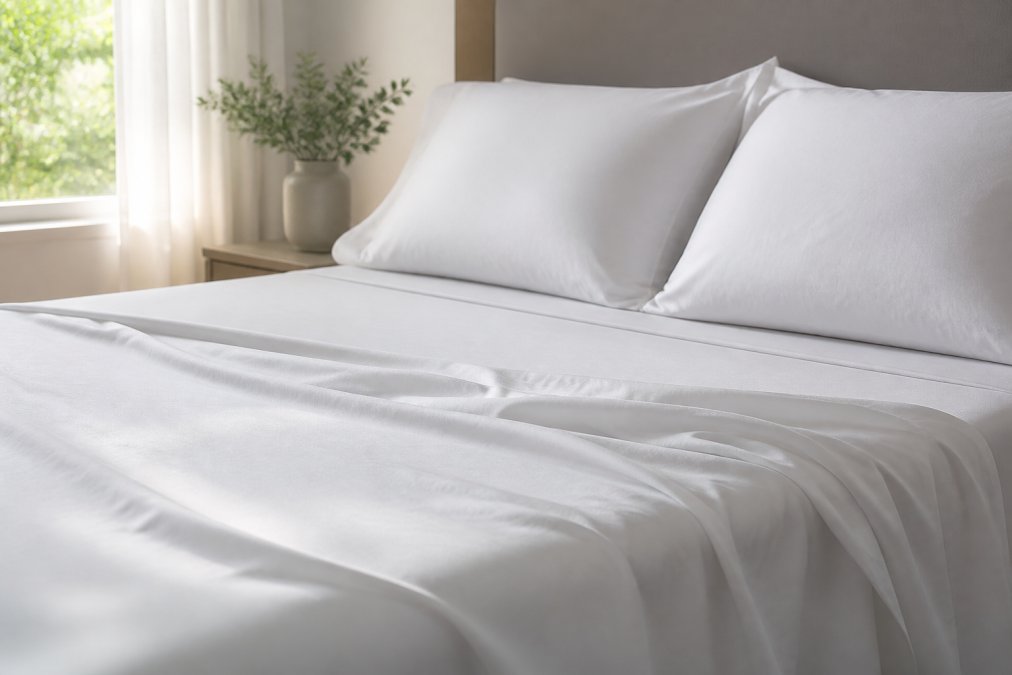
Why Bamboo Viscose Outperforms Cotton
Cotton's absorbency works against you during a night sweat episode. When you perspire, cotton soaks up the moisture and holds it against your skin, creating a clammy, cold sensation that disrupts sleep. Bamboo viscose, by contrast, transports moisture away from your body and allows it to evaporate quickly.
The sateen weave used in quality bamboo sheets adds another layer of benefit. Sateen's tighter thread count creates a smooth, lustrous surface that feels cool to the touch, while the underlying bamboo fiber remains breathable enough to prevent heat buildup.
Bambusasheets crafts its 7-piece sets from long-fiber bamboo viscose with a delicate sateen weave, combining the fiber's natural breathability with a silky finish that stays comfortable through temperature fluctuations. The hypoallergenic nature of bamboo also matters for sensitive skin, as it naturally repels bacteria that can worsen nighttime irritation.
For a durable upgrade that keeps you cool, the Organic Bamboo Cooling Sheet Set in Queen White offers the full temperature-regulating benefit at $129.00. The King size version runs $144.00, and Full size starts at $83.00, making the switch accessible across bed sizes.
Track Your Night Sweats: A Simple Diagnostic Log
Before you assume your night sweats require medical treatment, track them for two weeks. A diagnostic log reveals patterns that point to specific triggers, and it gives your doctor concrete data if you need a consultation.
| Date | Severity (1-5) | Time of Episode | Food/Drink Before Bed | Room Temp | Medications | Notes |
|---|---|---|---|---|---|---|
| Example | 4 | 2:00 AM | Spicy curry, glass of wine | 72°F | None | Woke soaked, hard to return to sleep |
Keep the log by your bed and fill it in when you wake, while details are fresh. After two weeks, review the entries for correlations. Many people discover their episodes cluster after alcohol, high-sugar snacks, or on nights when the room ran warm. This information transforms a vague complaint into an actionable picture.
Post-illness recovery sweating is another pattern worth noting. Many people experience night sweats for weeks after a significant infection as their immune system recalibrates. If your log shows this pattern and symptoms are otherwise improving, it's likely a normal part of recovery.
When to See a Doctor for Night Sweats
Knowing when to see a doctor for night sweats prevents both unnecessary worry and dangerous delay. Schedule an appointment if your sweating persists for more than a few weeks without explanation, or if it's severe enough to require changing your clothes or sheets.
Seek prompt evaluation when night sweats accompany other symptoms. Unexplained weight loss, persistent fatigue, fever, or localized pain alongside nighttime perspiration warrants a medical workup. These combinations can indicate endocrine disorders, infections, or other underlying illness that requires treatment.
Your primary care physician will likely review your medication list, ask about your symptom log, and may order blood tests to check thyroid function, blood sugar, and hormone levels. The Mayo Clinic's guidance on night sweats notes that most causes are benign and treatable, but identifying the root issue is essential for proper management.
Conclusion
Waking up drenched is disruptive, but it's rarely something you must simply endure. Start with the immediate environmental fixes, upgrade your bedding to breathable bamboo viscose, and track your patterns to identify triggers. If symptoms persist or come with warning signs like weight loss or fever, see your doctor promptly.

The right sleep environment makes a measurable difference in how stop sweating at night feels achievable rather than hopeless. Bambusasheets combines naturally breathable, hypoallergenic bamboo fiber with a sateen weave that keeps you cool and comfortable, plus embroidered size indicators that make bed-making effortless. Get started with Bambusasheets and wake up refreshed instead of exhausted.
Frequently Asked Questions
Is waking up drenched in sweat normal?
Occasional night sweats can be normal, especially if you sleep in a warm room or use heavy bedding. But waking up with soaking wet sheets on a regular basis is not typical. If it happens frequently, it is worth investigating the cause. Track how often it occurs and note any other symptoms. This information will help you and your doctor identify whether it is a simple fix like changing your bedding or a sign of an underlying condition.
What is the best room temperature to stop sweating at night?
Most sleep experts recommend keeping your bedroom between 60 and 67 degrees Fahrenheit. Your body temperature naturally drops as you fall asleep, and a cooler room supports this process. Start at 65 degrees and adjust from there. If you still feel warm, use a ceiling fan or a cooling mattress pad. Also choose breathable bedding like bamboo viscose to help regulate your temperature throughout the night.
Can what I eat or drink before bed cause night sweats?
Yes. Spicy foods can raise your body temperature and trigger sweating. Caffeine and alcohol are also common culprits. Alcohol can disrupt your body's temperature regulation and cause flushing, which often leads to nighttime perspiration. Try avoiding spicy meals, caffeine, and alcohol for at least three hours before bedtime. Keep a food diary for a week to see if your night sweats improve when you change your evening habits.
How do cooling sheets help stop sweating at night?
Cooling sheets are made from breathable fabrics that wick moisture away from your skin instead of trapping it. Bamboo viscose is naturally moisture-wicking and more breathable than standard cotton, which helps prevent that overheated feeling. The fabric allows better air circulation so your body can regulate its temperature while you sleep. If you are a hot sleeper, switching to sheets made from bamboo viscose can make a noticeable difference in how often you wake up sweating.