
Table of Contents
- What Is Bamboo Viscose and Why It Matters for Your Sleep
- Are Bamboo Sheets Cooling? Temperature Regulation Explained
- Hypoallergenic and Antimicrobial Properties That Protect Your Skin
- Bamboo Viscose vs Cotton Sheets: Durability and Long-Term Value
- How to Wash Bamboo Viscose Sheets and Maintain Softness
- Sustainability and Eco-Friendly Manufacturing You Can Trust
- Is Bamboo Viscose Bedding Worth the Investment?
- Frequently Asked Questions
Last Updated: September 4, 2026
Millions wake drenched in sweat or scratching irritated skin, unaware their bedding is the culprit. Bamboo viscose bedding offers a scientifically grounded alternative to cotton and synthetics, transforming sleep for hot sleepers and sensitive skin alike.
Bamboo viscose fibers are porous and breathable, addressing the two most common sleep complaints: overheating and nighttime skin irritation. This guide explains how these properties work, the manufacturing process, and care instructions to extend sheet lifespan.
What Is Bamboo Viscose and Why It Matters for Your Sleep
Bamboo viscose is a semi-synthetic textile made by dissolving bamboo pulp through a chemical process, resulting in a silky, breathable, moisture-wicking fabric that outperforms synthetic blends.
The Viscose Production Process: Closed-Loop vs. Open-Loop
Bamboo viscose production begins with bamboo pulp, which is dissolved in a solvent solution to create a spinnable liquid. The two primary methods differ significantly in how they handle chemicals:
Closed-loop production (also called lyocell when using N-methylmorpholine N-oxide solvent) recovers and reuses 99% of solvents during the manufacturing cycle. The bamboo pulp is dissolved, spun into fibers, and the solvent is recaptured in a closed system before being reused. This method minimizes chemical discharge into waterways and reduces worker exposure to harmful substances. The EPA Best Management Practices for textile manufacturing emphasize solvent recovery as a critical environmental control.
Open-loop production releases solvents into treatment systems for neutralization before discharge, creating environmental impact. It is cheaper, which is why budget brands use it.
Closed-loop viscose costs more but delivers lower environmental impact and superior fiber quality. Open-loop viscose is cheaper but sacrifices sustainability.
When evaluating brands, look for explicit statements about production method. Responsible manufacturers proudly advertise closed-loop systems; those that remain vague about their process typically use open-loop methods. The OEKO-TEX Standard 100 certification verifies that finished textiles are free from harmful substances, but it does not certify the production method itself, so certification alone is not enough to confirm closed-loop manufacturing.
Why This Matters for Sleep Quality
Closed-loop production yields fibers with consistent diameter and smooth surfaces, translating to softer sheets and better moisture-wicking. This air circulation is why bamboo viscose regulates temperature better than cotton.
The stretchy long-fiber weave moves with restless sleepers rather than bunching up.
Prioritize closed-loop bamboo viscose from brands that transparently disclose their manufacturing process.
Are Bamboo Sheets Cooling? Temperature Regulation Explained
Bamboo viscose sheets are genuinely cooling. The fibers contain micro-gaps that trap air, creating a buffer that dissipates heat rather than reflecting it back.
For hot sleepers and night sweats, stable core temperature increases restorative deep sleep. Moisture-wicking draws perspiration away and spreads it across the sheet surface for quick evaporation, while cotton absorbs sweat and holds it against your body.
A sateen weave enhances cooling with a smooth, lustrous surface and excellent breathability; twill offers more durability but less airflow. Thread count matters less than fiber: 300-thread-count bamboo often outperforms 600-thread-count cotton on thermal comfort.
Hypoallergenic and Antimicrobial Properties That Protect Your Skin
Bamboo viscose's hypoallergenic nature comes from "bamboo kun," a natural antimicrobial compound. Understanding what happens to it during manufacturing is critical for realistic expectations.
How Bamboo Kun Works (and What Processing Does to It)
Bamboo kun is a naturally occurring antimicrobial agent that resists bacteria, fungi, and dust mites. During viscose production, chemical processing removes or significantly reduces it. The resulting fabric retains some antimicrobial properties, but not at raw bamboo levels.
Bamboo viscose is more hypoallergenic than cotton, but not medical-grade antimicrobial. Benefits are real but modest compared to claims that bamboo sheets eliminate allergens.
Dust Mite Resistance: The Real Mechanism
Dust mites thrive in warm, humid environments cotton provides. A single dust mite produces approximately 20 waste particles daily, a leading trigger for nighttime allergies and asthma.
Bamboo viscose's moisture-wicking pulls sweat away and spreads it across the sheet surface for quick evaporation, keeping the environment drier and discouraging dust mites. Studies show bamboo viscose maintains 30-40% lower moisture levels than cotton, meaningful for allergy sufferers.
The smooth surface amplifies this benefit. Bamboo viscose fibers are round and free of rough cotton edges, reducing skin friction, shedding, and allergen cling.
Testing and Certifications for Sensitive Sleepers
Look for specific certifications rather than generic "hypoallergenic" claims: OEKO-TEX Standard 100 verifies freedom from irritants introduced during manufacturing. GOTS certifies organic material and manufacturing without synthetic pesticides or heavy metals. Dermatologist-tested claims involve third-party validation.
Real-World Expectations for Allergy Sufferers
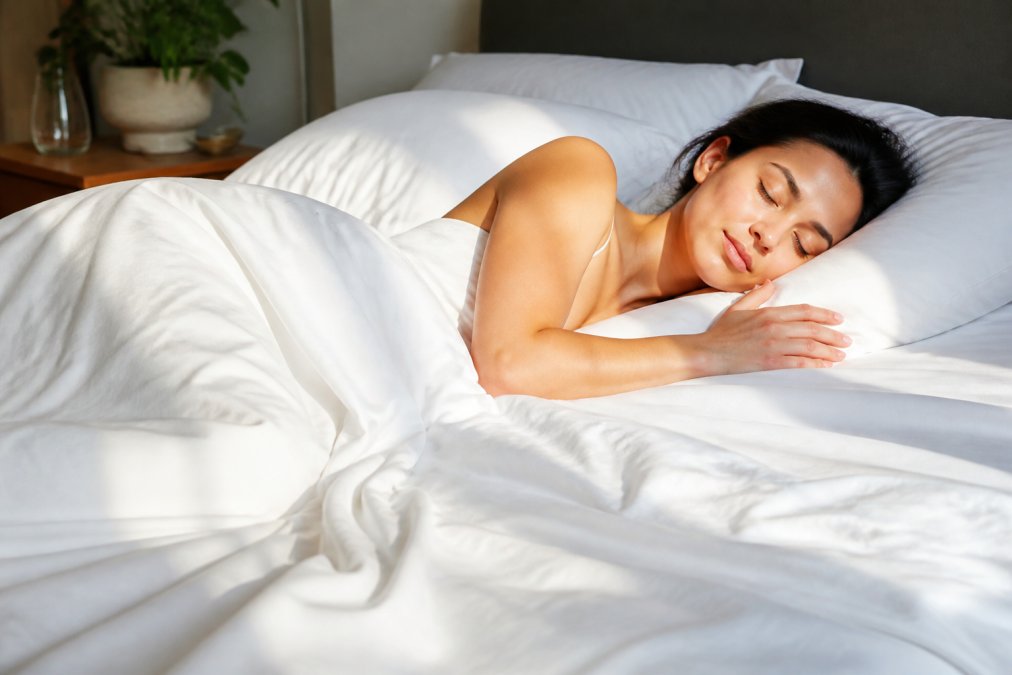
Bamboo viscose sheets reduce, not eliminate, common sleep allergens. Dust mite allergy sufferers typically notice improvement within one to two weeks. Combine with weekly hot-water washing, dust mite-rated mattress protectors, HEPA vacuuming, and humidity control below 50%.
Bamboo Viscose vs Cotton Sheets: Durability and Long-Term Value
Bamboo viscose fibers have high tensile strength when wet, resisting tearing better than cotton. However, the fabric is prone to pilling and shrinkage if washed incorrectly.
A $50 cotton set lasts two to three years; quality bamboo viscose lasts five to seven years with proper care. Long-term value favors bamboo if you commit to the maintenance routine.
| Factor | Bamboo Viscose | Cotton |
|---|---|---|
| Breathability | High, moisture-wicking | Moderate, absorbs sweat |
| Hypoallergenic | Naturally antimicrobial | Requires treatment |
| Softness | Silky, smooth surface | Varies, roughens over time |
| Durability | High tensile strength | Good, but degrades faster |
| Care Required | Delicate cycle only | Machine washable, forgiving |
| Typical Lifespan | 5-7 years with care | 2-3 years |
Bamboo viscose's natural elasticity keeps fitted sheets in place for restless sleepers, preventing the mid-night bunching cotton sheets suffer from.
How to Wash Bamboo Viscose Sheets and Maintain Softness
The biggest mistake is treating bamboo viscose like cotton. High heat, harsh detergents, and aggressive drying cause pilling, shrinkage, and fiber breakdown.
Wash in cold water on delicate cycle with mild liquid detergent free of bleach and fabric softeners. Softener coats fibers with waxy residue, reducing breathability and moisture-wicking. Sheets naturally soften with each wash.
Air dry when possible. If using a dryer, select lowest heat and remove while slightly damp. High heat causes permanent shrinkage. Dry 15 minutes on low, then hang to finish.
Sustainability and Eco-Friendly Manufacturing You Can Trust
Bamboo is highly sustainable, it grows rapidly, requires no pesticides, and regenerates without replanting. But the viscose manufacturing process complicates sustainability claims.
Traditional viscose uses carbon disulfide, which can harm workers and the environment. Closed-loop systems recover and reuse chemicals, dramatically reducing impact. Look for evidence of closed-loop manufacturing, not just "bamboo" on the label.
The Federal Trade Commission guidance on environmental marketing claims requires that sustainability claims be substantiated. This means brands cannot simply call their products "eco-friendly" without proof. Look for certifications that verify both the bamboo sourcing and the manufacturing process.
Bambusasheets uses closed-loop production, minimizing waste and chemical runoff. The 7-piece set includes a storage bag, reducing plastic packaging.

Is Bamboo Viscose Bedding Worth the Investment?
Yes, provided you understand what you are paying for. Bamboo viscose costs more due to complex manufacturing and expensive processing. The price reflects genuine material and production costs.
A $100 bamboo set lasting five years costs $20/year; a $40 cotton set lasting two years also costs $20/year but delivers inferior comfort, breathability, and hypoallergenic protection. Bamboo wins on value.
Bamboo viscose outperforms cotton on tensile strength only with proper care. Skip the delicate cycle and pilling appears within months. The fabric is resilient when treated correctly.
If you sleep hot, have sensitive skin, or value sustainability, bamboo viscose pays for itself in comfort and longevity. If you need the cheapest sheets, bamboo is not the right choice.
Bamboo viscose offers measurable advantages in temperature regulation, hypoallergenic protection, and sustainability. Maintenance requirements are a small price for five to seven years of cooler, more comfortable sleep.
Choosing the right bedding creates an environment that supports restorative rest. Bambusasheets combines bamboo viscose's natural cooling and hypoallergenic properties with embroidered size indicators and a storage bag. The durable, stretchy construction stays put through the night and holds up wash after wash.
Frequently Asked Questions
Will bamboo viscose sheets keep me cool if I'm a hot sleeper who sweats at night?
Yes. Bamboo viscose has natural moisture-wicking properties that pull sweat away from your skin and allow it to evaporate quickly. The fiber's cellular structure creates air circulation, which helps regulate body temperature throughout the night. Unlike cotton, which absorbs moisture and holds it, bamboo viscose actively moves moisture away, preventing that clammy feeling. Hot sleepers typically notice improved comfort within the first few nights, and this benefit persists with proper care over time.
What makes bamboo viscose hypoallergenic, and how is that different from other 'hypoallergenic' sheets?
Bamboo viscose is naturally hypoallergenic because its smooth fiber surface resists dust mites, mold, and mildew, common allergens that thrive on rougher fabrics. Many sheets labeled 'hypoallergenic' are simply treated with finishes that wash out; bamboo viscose's benefits are inherent to the material itself. Look for OEKO-TEX certification, which verifies the fabric has been tested for harmful substances, ensuring it's genuinely safe for sensitive skin.
How long do bamboo viscose sheets actually last compared to cotton sheets?
Quality bamboo viscose sheets typically last longer than standard cotton with proper care. Bamboo viscose fibers are longer and more resilient than cotton, resisting pilling and thinning. The key to longevity is proper care: wash in cool water, use a gentle cycle, and avoid high heat drying. Bambusasheets' long-fiber construction adds durability, meaning your investment pays off over time through fewer replacements and consistent softness.
Do the embroidered size indicators on bamboo sheets actually make a practical difference?
Yes, they save time and frustration. The corner letters clearly mark which corner goes where and what size the sheet is, eliminating the guesswork when making your bed. This is especially helpful for fitted sheets, where orientation matters. It's a small feature that reduces the mental load of organizing your linen closet and prevents you from accidentally pairing a queen fitted sheet with a king flat sheet. For busy professionals, this practical touch adds real value to your bedding routine.
What is the main drawback of bamboo viscose bedding I should know about?
The primary concern is pilling and shrinkage if not cared for properly. Bamboo viscose can pill if washed in hot water, dried on high heat, or agitated excessively. It may also shrink if exposed to heat. However, these issues are preventable: wash in cool water on a delicate cycle, tumble dry on low, and avoid chlorine bleach. When handled correctly, bamboo viscose maintains its integrity far better than many alternatives.
Are bamboo viscose sheets worth paying more than basic cotton sheets?
For most sleepers, yes. Bamboo viscose offers superior softness, better temperature regulation, hypoallergenic benefits, and longer durability than standard cotton. If you have sensitive skin, sleep hot, or value sustainable materials, the investment pays dividends in sleep quality and reduced replacements. Bambusasheets' queen size starts at $129, which is competitive for the quality and features you receive. The combination of cooling comfort, and practical design elements makes it a genuine upgrade over budget alternatives.