

Table of Contents
- What You'll Need Before You Wash Bamboo Sheets
- Step-by-Step: How to Wash Bamboo Sheets Correctly
- Best Laundry Detergent for Bamboo Sheets
- How to Dry Bamboo Sheets Without Shrinking
- How Often to Wash Bed Sheets Made from Bamboo
- Hard Water, Eco-Friendly Alternatives, and Storage Tips
- Common Mistakes That Damage Bamboo Sheets
- Frequently Asked Questions
Last Updated: September 2, 2026
Bamboo viscose sheets are a genuine investment in better sleep, and the single most common way people ruin them is by treating them like ordinary cotton. This guide covers exactly how to wash bamboo sheets correctly, from water temperature and cycle selection to stain removal, drying, and long-term storage, so your sheets stay silky for years instead of months.

The good news: washing bamboo viscose sheets is genuinely simple once you understand what the fiber needs. Cold water, a gentle cycle, mild detergent, and low heat on the dryer. That's the core of it.
What You'll Need Before You Wash Bamboo Sheets
Before you wash bamboo sheets for the first time, gather a few specific items. Using the wrong products, even once, can compromise the fiber integrity of viscose-from-bamboo fabric in ways that are difficult to reverse.
What to have on hand:
- A mesh laundry bag or zippered mesh wash bag (large enough to hold a full sheet set loosely)
- A liquid detergent formulated for delicate fabrics
- White vinegar for softening and odor control (optional but effective)
- Baking soda for occasional deep cleaning
- A clean, flat surface or drying rack if air-drying
What to avoid entirely:
- Chlorine bleach or any bleach-based product
- Enzyme-based cleaners, which can break down bamboo fiber over time
- Powder detergents, which dissolve poorly in cold water and leave residue
- Fabric softener, which coats the fiber and reduces breathability
Bamboo viscose fabric has naturally antimicrobial properties, which means it stays fresher longer between washes than synthetic fibers or standard cotton (peer-reviewed research).
Step-by-Step: How to Wash Bamboo Sheets Correctly
Step 1: Sort and Prep Your Load
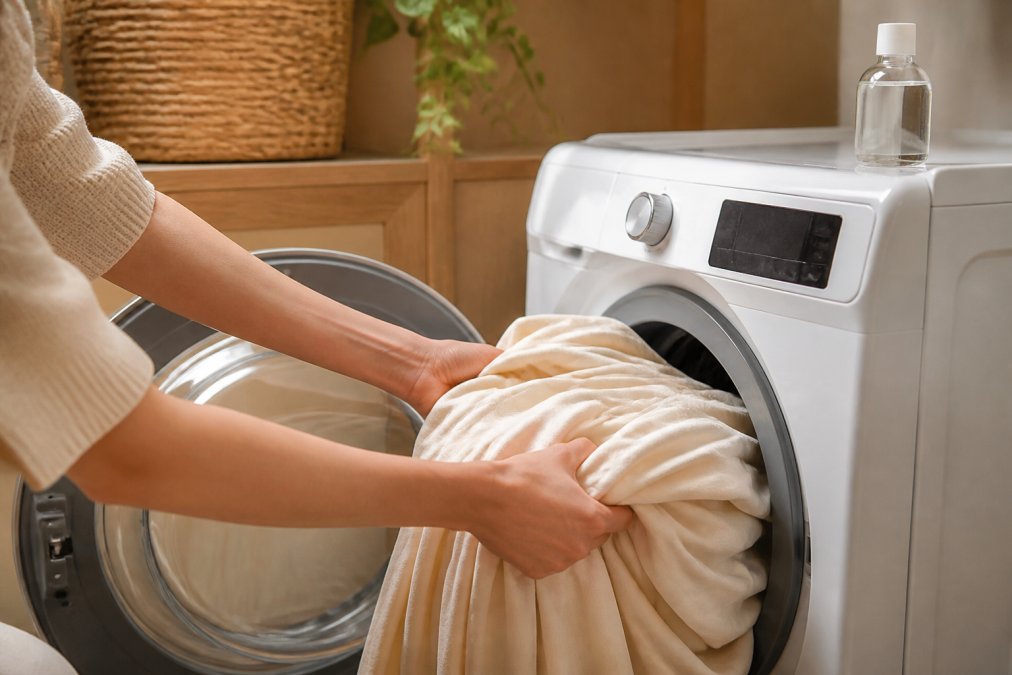
Wash bamboo sheets separately from the rest of your laundry. Zippers, buttons, towels with rough loops, and heavier fabrics create friction that damages the delicate sateen weave. Place the sheets loosely in a large mesh wash bag before loading to reduce direct contact between the fabric and the drum, lowering the friction that causes pilling.
Step 2: Set the Right Water Temperature and Cycle
Cold water wash (below 85°F / 30°C) preserves the bamboo fiber structure and prevents shrinkage (peer-reviewed research). Hot water causes the fibers to contract, reduces softness, and accelerates color fade (peer-reviewed research). Select the gentle or delicate cycle with low spin speed to minimize mechanical stress on the fiber.
Use the minimum recommended amount of liquid detergent. Excess detergent leaves residue that dulls the fabric and requires additional rinse cycles that add unnecessary wear.
Step 3: Handle Stains Before the Wash
Treat stains before the load goes in. For most stains, apply a small amount of mild liquid detergent directly to the area and let it sit for 10 to 15 minutes. Gently work it in with your fingertips; do not scrub.
For tougher stains, presoak in cold water with a small amount of baking soda (roughly one tablespoon per gallon of water) for 20 to 30 minutes before washing as normal.
Step 4: Manage Duvet Covers and Button Closures
Fasten all buttons on duvet covers before the wash. Open buttons catch on fabric during the cycle, pulling threads and creating snags.
| Step | Action | Key Detail |
|---|---|---|
| Sort | Separate from other laundry | No zippers, towels, or rough fabrics |
| Bag | Use a mesh wash bag | Reduces friction on sateen weave |
| Temperature | Cold water only | Below 85°F / 30°C |
| Cycle | Gentle or delicate | Low spin speed |
| Detergent | Liquid, mild, minimal amount | Bleach-free, no enzymes |
| Stains | Presoak in cold water + baking soda | 20-30 minutes before washing |
| Closures | Fasten all buttons | Prevents snags during cycle |
Best Laundry Detergent for Bamboo Sheets
The best laundry detergent for bamboo sheets is a fragrance-free, liquid formula designed for delicate or sensitive fabrics. Detergents formulated for heavy cotton or synthetic loads contain additives, optical brighteners, and enzymes that degrade bamboo viscose.
What to look for on the label:
- Bleach-free (chlorine and oxygen bleach both damage bamboo fiber)
- Enzyme-free (enzymes break down protein-based stains but also attack bamboo fiber over time)
- Low-sudsing (excess suds require extra rinsing, which adds mechanical wear)
- Fragrance-free or lightly scented (heavy fragrance can irritate sensitive skin)
White vinegar is a practical alternative to commercial fabric softener. Add half a cup to the rinse cycle to soften the fabric, neutralize detergent residue, and maintain natural breathability without coating the fiber.
How to Dry Bamboo Sheets Without Shrinking
High heat causes viscose-from-bamboo fibers to contract, leading to irreversible shrinkage. The rule is simple: low heat or no heat.
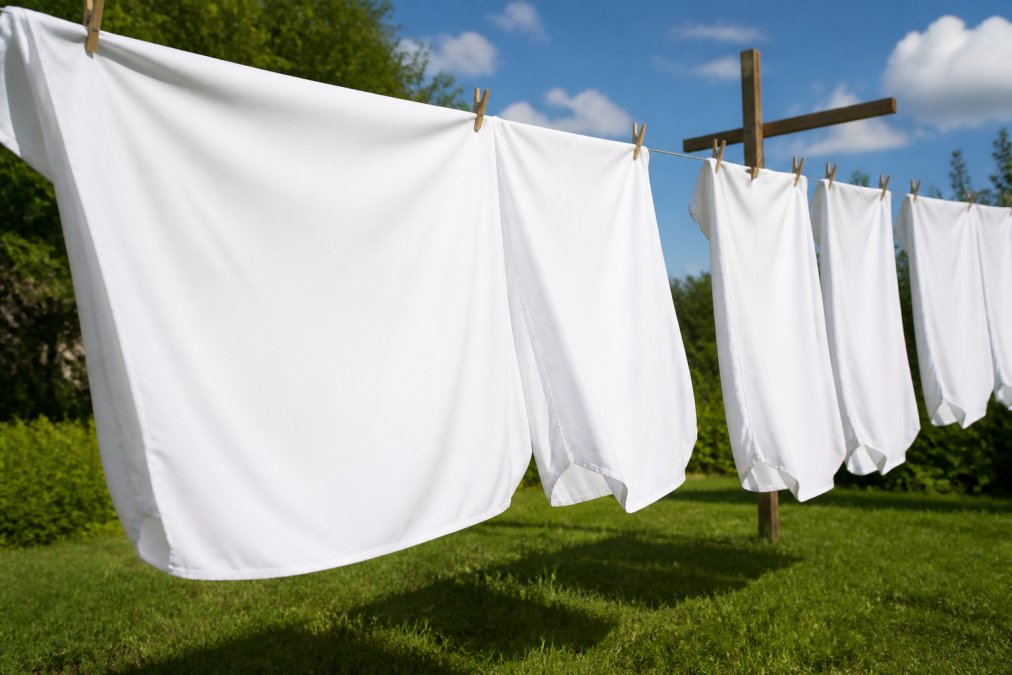
Option 1: Tumble dry low. Set the dryer to the lowest heat setting. Remove sheets while still slightly damp (80 to 85% dry) and finish drying by spreading flat or hanging.
Option 2: Line dry or air dry. Hang sheets on a clothesline or drying rack in a well-ventilated area, away from prolonged direct sunlight. This extends sheet life the most.
Option 3: Flat dry. For pillowcases and smaller pieces, laying flat on a clean surface prevents stretching.
Avoid high heat settings, "normal" or "heavy" dryer cycles, and leaving sheets in a hot dryer after the cycle ends.
How Often to Wash Bed Sheets Made from Bamboo
A general guideline is every one to two weeks. The naturally antimicrobial properties of bamboo viscose mean the fabric resists bacterial growth and odor more effectively than cotton or synthetic fibers.
Factors that push toward weekly washing: hot sleepers who sweat significantly, skin conditions, pets on the bed, or illness seasons.
Factors that allow for a two-week cycle: showering before bed, using a top sheet consistently, or cooler sleeping environments.
Over-washing shortens sheet lifespan without meaningful hygiene benefit. Find the interval that fits your habits and stick to it consistently.
Hard Water, Eco-Friendly Alternatives, and Storage Tips
Washing Bamboo Sheets in Hard Water
Hard water contains elevated levels of calcium and magnesium minerals that bind to fabric fibers during washing and accumulate over time, leaving sheets feeling stiff and looking dull.
If you're in an area with hard water:
- Add white vinegar to the rinse cycle. Half a cup per wash helps dissolve mineral deposits and prevents buildup.
- Use a slightly higher detergent dose (within the manufacturer's recommendation) to compensate for reduced effectiveness.
- Consider a water softener additive designed for laundry use.
- Wash more frequently in smaller loads so larger loads rinse more effectively.
Addressing hard water early is much easier than trying to restore sheets that have already accumulated significant mineral buildup.
Eco-Friendly Laundry Alternatives
Practical eco-friendly alternatives that work well with bamboo sheets:
- Cold water washing is the single biggest impact change and is also better for bamboo fiber.
- Plant-based liquid detergents formulated for delicates perform comparably to conventional options.
- White vinegar as a fabric softener replacement eliminates plastic bottles and chemical additives.
- Line drying or air drying instead of machine drying reduces energy use significantly.
- Washing less frequently (within hygiene guidelines) reduces water, energy, and detergent consumption.
Storing Bamboo Sheets Between Uses
Fold, don't stuff. Bamboo viscose wrinkles more easily than cotton when compressed. Loose, neat folding prevents deep creases.
Store in a breathable container. Plastic bins trap moisture and create conditions for mildew. A cotton pillowcase, fabric storage bag, or open shelf works better.
Keep away from direct sunlight. UV exposure fades bamboo viscose over time, even during storage.
Rotate sets. If you own multiple sets, rotate them so each gets roughly equal use and washing cycles.
Ensure sheets are fully dry before storing. Storing even slightly damp sheets leads to mildew and odor.
Common Mistakes That Damage Bamboo Sheets
1. Washing in hot water. Hot water causes immediate and permanent shrinkage. Cold water wash is non-negotiable.
2. Using bleach. Chlorine bleach dissolves bamboo fiber. Even a single exposure causes visible weakening.
3. High dryer heat. Tumble dry low or air dry. High heat will shrink and stiffen bamboo sheets within a few cycles.
4. Washing with rough fabrics. Towels, denim, and items with metal hardware abrade the delicate sateen weave. Always wash separately.
5. Using fabric softener. Fabric softener makes bamboo sheets feel worse over time by coating and blocking the fiber.
6. Over-drying in the dryer. Remove sheets while still slightly damp and finish with air drying to preserve softness.
7. Ignoring hard water. Mineral buildup progressively stiffens bamboo sheets. Adding white vinegar to the rinse cycle is an easy fix.
8. Skipping the mesh wash bag. The gentle cycle alone is not sufficient protection. A mesh laundry bag meaningfully reduces friction damage over the life of the sheets.
Bamboo viscose sheets are only as good as the care routine behind them. The sheets hold up beautifully when washed correctly, but the wrong habits compound quickly. If you're ready to invest in bedding that genuinely rewards proper care, the Bambusasheets 7-piece bamboo viscose sheet set is built for exactly this: long-fiber construction that stays soft and breathable wash after wash, with embroidered size indicators that make the whole process less frustrating. Browse the full collection and find your size at Bambusasheets.
Frequently Asked Questions
Q: Do bamboo sheets shrink in the wash?
A: Bamboo viscose sheets can shrink if washed in hot water or dried on high heat. To protect fiber integrity, always use a cold water wash on a gentle cycle and tumble dry low or air dry. The first wash carries the highest shrinkage risk, so treat it with extra care. Bambusasheets' long-fiber sateen weave is designed to hold its shape wash after wash when you follow the correct care steps.
Q: What laundry detergent is best for bamboo sheets?
A: A mild, bleach-free liquid detergent is the best choice for bamboo sheets. Look for formulas labeled gentle or for delicate fabrics, and avoid enzyme-based cleaners, which can break down bamboo viscose fibers over time. Powder detergents may not dissolve fully in cold water, leaving residue. Skip fabric softener too, it coats the fibers and reduces the natural breathability and moisture-wicking properties that make bamboo sheets worth buying.
Q: How often should you wash bamboo sheets?
A: Washing bamboo bed sheets every one to two weeks is the standard recommendation for most sleepers. Hot sleepers or anyone who sweats heavily at night should wash them weekly to preserve the sheets' antimicrobial properties and freshness. Washing too infrequently allows body oils and sweat to build up in the fibers, which shortens the lifespan of the fabric. Sticking to a consistent schedule keeps the sheets soft and hygienic without over-washing.
Q: Can you put 100% bamboo sheets in the dryer?
A: Yes, but only on the lowest heat setting. High dryer heat is the fastest way to damage bamboo viscose, causing shrinkage and pilling that cannot be reversed. Tumble dry low and remove the sheets while they are still slightly damp, then spread them flat or hang them to finish air drying. Line drying is always the gentler option if time allows. Never use a permanent press or high-heat cycle on bamboo sheets.