

Table of Contents
- Why Bed Sheets Don't Last Forever
- So, How Often to Replace Bed Sheets?
- Signs Your Sheets Are Worn Out
- How to Wash Bamboo Sheets Correctly
- How Often to Wash Bed Sheets
- Factors That Affect How Long Sheets Last
- How to Extend the Life of Your Bedding
- Frequently Asked Questions
Last Updated: September 27, 2026
Why Bed Sheets Don't Last Forever
Most people keep their sheets far longer than they should, and the reason is simple: bedding fails gradually, not suddenly. Bambusasheets has watched this pattern play out across thousands of bedrooms, and the culprit is rarely one dramatic event. It's the slow accumulation of fiber degradation, oil buildup, and hundreds of laundry cycles that strip away softness long before the fabric actually tears.
Every night, your sheets absorb sweat, body oils, and dead skin cells. Over time, that exposure breaks down individual fibers at a microscopic level. Natural fibers like cotton and bamboo viscose lose elasticity and develop pilling, while synthetic blends trap heat and hold onto detergent residue.
The result is bedding that looks fine in dim light but feels rough, sleeps warm, and triggers the sneezing and itching that signal allergen buildup.
So how often to replace bed sheets? For most households, every 18 to 24 months is the practical answer, though quality matters enormously here. A well-made bamboo viscose set washed correctly can comfortably outlast a cheap cotton set that gets bleached and tumble-dried on high heat.

So, How Often to Replace Bed Sheets?
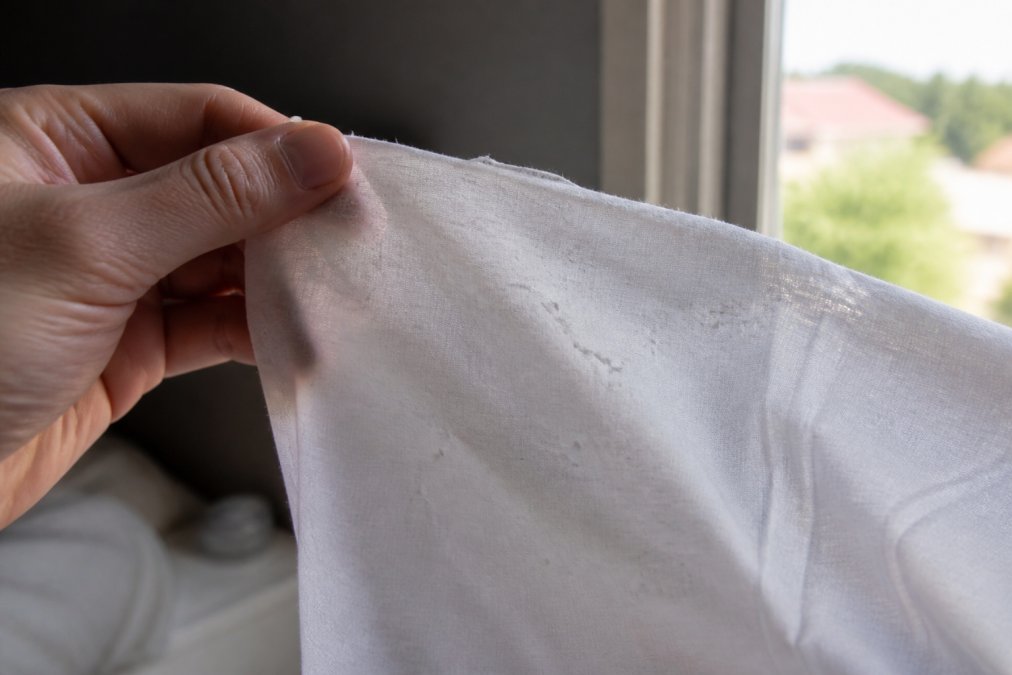
The honest answer depends on three things: fabric type, washing habits, and how many sets you rotate. A general rule is every two years for daily-use sheets. Heavy sweaters, pet owners, and anyone with allergies should shorten that window.
Here's a quick reference:
| Situation | Replace Every | Why |
|---|---|---|
| Rotating 2-3 quality sets | 2-3 years | Less wear per set |
| One set, washed weekly | 18-24 months | Constant laundry cycle stress |
| Hot sleeper or night sweats | 12-18 months | Moisture accelerates fiber breakdown |
| Pet sleeps in bed | 12-18 months | Dander, claws, and oils |
| Allergies or sensitive skin | 12-18 months | Allergen buildup in fibers |
If you're replacing sheets this often, buying durability matters more than buying cheap. Bambusasheets builds its sets from long-fiber bamboo viscose, which resists the pilling and thinning that send most sheets to the rag bin early.
Signs Your Sheets Are Worn Out
Knowing when to let go is half the battle. Watch for these signals, in rough order of severity:
- Pilling and roughness where your body rests, even after washing
- Frayed edges or thinning patches you can see through
- Persistent discoloration that won't lift after a normal wash
- Lost elasticity, so fitted sheets no longer grip the corners
- Stains that reappear after laundering, a sign of set-in oils
- New itching, sneezing, or morning congestion pointing to dust mites and allergen buildup
- A lingering musty smell, which means moisture is trapped in the fibers
- Tears at the stress points, usually the corners and center seam
One or two of these is manageable. Three or more means you're sleeping on degraded fabric, and no amount of fabric softener will bring it back.
How to Wash Bamboo Sheets Correctly
Bamboo viscose is more delicate than cotton, and treating it like a heavy towel is the fastest way to ruin it. The correct method is cold water, a gentle cycle, and low heat.
Follow this routine:
- Machine wash in cold water on a gentle or delicate cycle
- Use a mild, liquid detergent, never bleach or harsh powders
- Skip fabric softener and dryer sheets completely
- Tumble dry on low, or line dry when you can
- Remove promptly to avoid deep creases
- Wash separately from towels, zippers, and anything abrasive
The FTC's care labeling guidelines require manufacturers to list safe washing instructions on textile products, so always check the tag first. Bamboo sheets naturally drape smoothly and resist the stiff wrinkles common in cotton, which means you rarely need high heat to look presentable.
How Often to Wash Bed Sheets
Most households should wash their sheets once a week. That single habit does more for sheet longevity than any detergent or gadget, because the buildup that degrades fabric is the same buildup that feeds allergens.
Organic Bamboo Cooling Sheet Set →
Here is the mechanism. Every night you shed millions of skin cells and deposit sweat, sebum, and body oils into the weave. Dust mites, which are microscopic arachnids that live in bedding, feed on those skin cells and produce waste pellets that are a leading trigger for morning congestion, itching, and eczema flare-ups. A mattress and its sheets can harbor a substantial dust mite population within weeks if not washed regularly. Weekly washing in hot water (at least 130°F) is the standard recommendation from allergy and asthma organizations for killing dust mites and removing their allergens, though cold water with a mild detergent still removes the skin cells they feed on and is gentler on bamboo viscose and other delicate fibers.
If you sweat heavily, sleep without pajamas, let pets on the bed, or have allergies, wash every three to four days. In cooler months with less sweating, stretching to every 10 days is acceptable for some people, but weekly remains the safe default.
Why so frequent? Night sweats and body oils feed dust mites, and allergen buildup in unwashed sheets is a leading trigger for morning congestion. A consistent laundry cycle keeps fibers cleaner and actually slows the wear that comes from embedded grit grinding against the weave. Grit and particulate matter trapped in the fabric act like sandpaper against the yarns every time you move in bed.
Detergent and additive chemistry. What you wash with matters as much as how often. Standard detergents contain surfactants that lift oils, builders that soften water, and sometimes optical brighteners that leave a residue. Over-dosing any detergent leaves a film that stiffens fabric and attracts more soil. Fabric softeners and dryer sheets deposit a waxy layer of fatty compounds that coats fibers, reduces absorbency, and traps residue, which is why most bedding care labels advise against them. Chlorine bleach oxidizes cellulose fibers and weakens them permanently, so it should never touch bamboo viscose, silk, or colored cotton. A mild, liquid, bleach-free detergent dosed to the low end of the label range is the safest choice for any sheet you want to keep.
Budget-friendly maintenance routine. You do not need specialty detergents or expensive laundry additives to keep sheets in good shape. Wash in cold water on a gentle cycle with a mild liquid detergent, skip softener and dryer sheets, tumble dry on low or line dry, and remove promptly. Add a half-cup of white vinegar to the rinse cycle occasionally to strip detergent residue without harsh chemicals. Wash pillowcases twice as often as sheets, since they collect facial oils fastest. These steps cost almost nothing and prevent the pilling and thinning that send most sheets to the rag bin early.
Factors That Affect How Long Sheets Last
Fabric type is the biggest single factor, but it is not the only one. The variables below interact, and understanding the mechanism behind each one is what separates a set that lasts three years from one that pills in six months.
Material differences. Cotton is durable but prone to shrinking and stiffening over repeated hot washes. Silk feels luxurious but is fragile, sensitive to moisture, and expensive to replace. Bamboo viscose sits in a sweet spot: naturally breathable, moisture-wicking, and hypoallergenic, with long fibers that hold their softness through repeated washing. Synthetic blends resist wrinkles but trap heat and pill quickly because short staple fibers work their way to the surface.
Thread count vs. weave quality. This is the most misunderstood number on any bedding label. Thread count is simply the number of threads woven into one square inch of fabric, counting both the horizontal (weft) and vertical (warp) yarns.
How to Extend the Life of Your Bedding
- Rotate two or three sets so each one rests between uses
- Wash weekly in cold water with mild detergent
- Air dry or use low heat whenever possible
- Add a mattress protector to block sweat and oils from below
- Wash pillowcases twice as often as sheets, since they collect facial oils fastest
- Store clean sets in a breathable bag, not a sealed plastic bin that traps moisture
Frequently Asked Questions
Is it okay to change bed sheets once a month?
Once a month is generally too infrequent for most people. Dermatologists and bedding experts recommend washing sheets every one to two weeks to remove sweat, oils, and allergens. If you have allergies, asthma, or sleep hot, weekly washing is best. Waiting a full month allows dust mites and bacteria to accumulate, which can affect skin and respiratory health.
How often should you replace bed sheets for optimal hygiene?
For hygiene, replace bed sheets every two to three years with regular washing every one to two weeks. If you notice persistent stains, odors, or thinning fabric, replace sooner. Bamboo viscose sheets like those from Bambusasheets can last longer with proper care, including cold-water washing and low-heat drying.
What are the physical signs that bed sheets need to be replaced?
Look for pilling, frayed edges, tears, faded color, and loss of elasticity in fitted sheets. Persistent stains or a musty odor that survives washing also signal it's time. If the fabric feels rough or thin, the fibers have degraded and no longer provide comfort or proper hygiene.
Does the material of the sheet affect how long it lasts?
Yes. Natural fibers like cotton and bamboo viscose tend to last longer than synthetic blends when cared for properly. Bamboo sheets are durable and stretchy, but they require gentle washing to avoid fiber degradation. Thread count matters less than weave quality; a sateen weave can add durability and a soft feel.