
Quick Summary
The best bamboo sheet thread count is a moderate number, because very high counts add density and cost without making bamboo sheets noticeably better. Judge a set by fiber length, ply, GSM and weave, and treat thread count as a secondary signal. Lighter fabric suits hot sleepers, while heavier fabric feels plusher.
- Thread count matters less than fiber length, weave and fabric weight for bamboo.
- Check whether a set is single-ply, since multi-ply yarns can inflate the listed count.
- Use GSM as your main weight signal, and ask sellers for it in writing if it isn't listed.
- Choose sateen for sheen and drape, or percale for a crisper, more breathable surface.
- Hot sleepers should favor lower counts and lighter GSM, which feel cooler and airier.
Table of Contents
- Why Thread Count Is Only Part of the Story for Bamboo Sheets
- Does Thread Count Matter for Bamboo Sheets?
- What Is the Best Thread Count for Bamboo Sheets?
- Ply, GSM and Weave: The Metrics Thread Count Misses
- What to Look for When Buying Bamboo Sheets
- Bamboo Sheets vs. Cotton Sheets: How the Numbers Compare
- Bamboo Viscose vs. Bamboo Lyocell: What the Fiber Name Tells You
- Choosing Your Bamboo Sheet Set at Bambusasheets
- Frequently Asked Questions
How to Choose the Right Bamboo Sheet Thread Count
Last Updated: October 29, 2026
Why Thread Count Is Only Part of the Story for Bamboo Sheets
Most people shopping for bamboo sheets look at one number first: the bamboo sheet thread count.
Thread count is the number of threads woven into one square inch of fabric. A high count alone doesn't guarantee softness, breathability, or durability.
This guide walks through what thread count actually tells you, what else to check, and how to pick a set that fits how you sleep.
Does Thread Count Matter for Bamboo Sheets?
Thread count matters a little, but not as much as marketing suggests. Pushing the number much higher often adds cost without making the sheets noticeably better. See how long bamboo sheets typically last before deciding how much durability matters to you.
The reason is the fiber itself. Bamboo viscose is made by breaking bamboo down into a pulp and spinning it into threads.
Bambusasheets uses long-fiber bamboo viscose, which supports a silky feel and stretch.
What Is the Best Thread Count for Bamboo Sheets?
For most sleepers, a thread count in the moderate range is a good target. Very high counts can make fabric feel denser and less breathable, which is the opposite of what hot sleepers want.
Use this rule of thumb when comparing sets:
- Lower counts often feel lighter and cooler, good for hot sleepers
- Mid-range counts balance softness, drape, and durability
- Very high counts may feel heavier without adding real comfort
A count alone won't tell you much. Read an honest review of whether pricier bamboo sets are worth it to see how cost lines up with quality. Check the fiber type, weave, and fabric weight together.
Ply, GSM and Weave: The Metrics Thread Count Misses
Thread count is easy to advertise, but it leaves out the details that actually determine how a sheet feels and lasts. Three of them matter most: ply, GSM, and weave. Most bamboo sheet articles stop at "thread count is a myth", this section goes a step further and shows you how to use these numbers.
Ply vs. Thread Count: How Counts Get Inflated
Ply describes how many single yarns are twisted together to make one thread. A single-ply thread is one yarn.
Here's the arithmetic that matters. Thread count is supposed to count threads per square inch. But some manufacturers count each ply as a separate thread.
That is why two sets with the same listed count can feel completely different. Single-ply bamboo viscose typically feels lighter, smoother, and more breathable. Multi-ply can feel denser and heavier.
What to do: Look for the word "single-ply" on the listing. If ply isn't stated, ask the seller directly before buying. A brand that won't answer is telling you something.
Grams per Square Meter (GSM): The Weight Metric That Actually Predicts Feel
GSM measures how much one square meter of fabric weighs. It is a direct read on fabric weight and density, and it is far harder to game than thread count.
- Lower GSM fabric is lighter, airier, and usually cooler, a good match for hot sleepers and warm rooms.
- Mid-range GSM balances breathability with enough body to drape and wear well.
- Higher GSM fabric is heavier and often feels plusher, which suits sleepers who want a substantial, hotel-style sheet.
GSM also helps you compare across fibers. A lightweight bamboo viscose and a mid-weight cotton can share a GSM range even though their thread counts look nothing alike. If a listing includes GSM, use it as your primary weight signal and treat thread count as secondary.
Weave: Percale vs. Sateen and What Each Does to Feel
Weave determines surface texture and drape more than a 100-count difference ever will.
- Sateen weave floats more yarns over the surface, producing a lustrous sheen, a smoother hand, and a fluid drape. It tends to feel warmer and more "silky."
- Percale weave uses a simple over-under pattern, producing a matte, crisp, breathable surface that feels cool and airy.
For bamboo viscose, sateen is common because it amplifies the fiber's natural sheen and softness. If you sleep hot and want maximum airflow, a percale-style bamboo weave may suit you better even though it looks less glossy.
Putting the Three Together
Use this order when you evaluate a listing:
- Fiber, confirm it's bamboo viscose (or lyocell) and note fiber length claims.
- Ply, single-ply for a lighter, breathable hand; multi-ply for a denser feel.
- GSM, lower for cool and airy, higher for plush and substantial.
- Weave, sateen for sheen and drape, percale for crisp and breathable.
- Thread count last, and only after you know the ply, so the number isn't inflated.
What to Look for When Buying Bamboo Sheets
Once you've looked past the headline number, check these points:
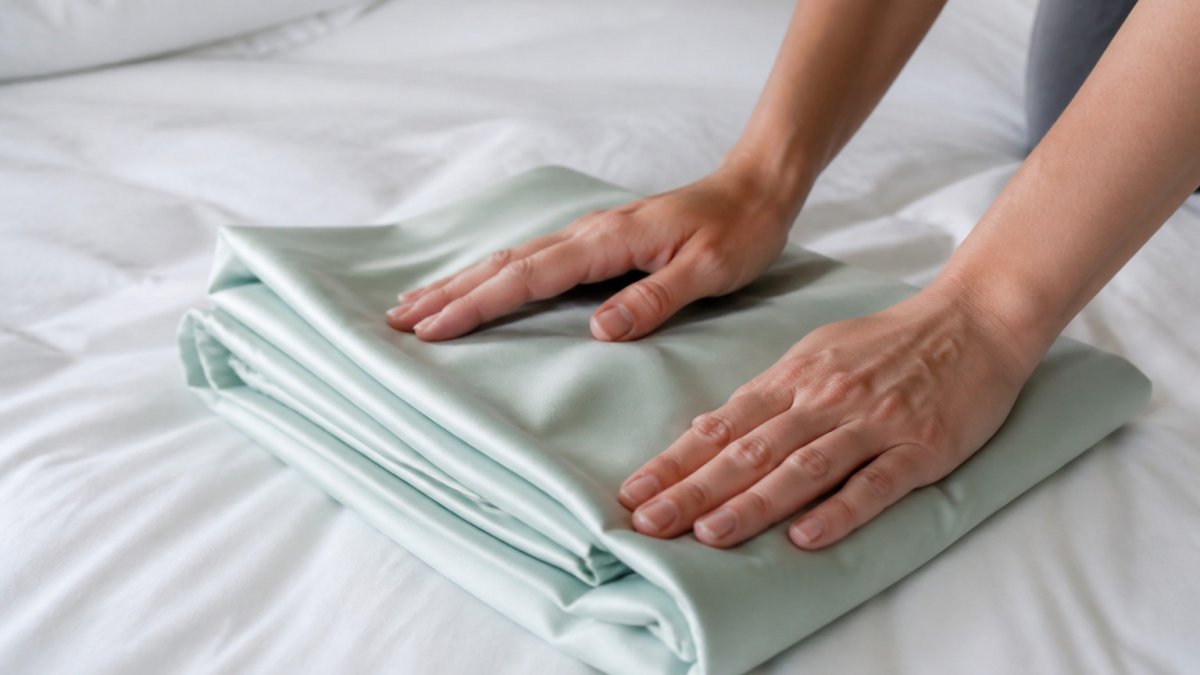
- Fiber type: Confirm the sheets are bamboo viscose, not a blend you didn't expect
- Fiber length: Longer fibers generally mean smoother, more durable fabric
- Weave: Sateen has a lustrous sheen and drape. Percale is crisp and matte.
- Ply and GSM: Use these to judge weight and density
- Care instructions: Check how the sheets should be washed and dried
- Return policy: Make sure you can exchange or return the set if it doesn't suit you
Tactile Testing in a Store or on Arrival
You can learn a lot by touch. Run the fabric between your fingers and rub it gently against your cheek or wrist. Good bamboo viscose should feel smooth without slipperiness, and it should feel cool at first.
When your sheets arrive, unfold them and check the seams and stitching. Pull lightly on the fitted sheet to test stretch. Long-fiber bamboo should return to shape without sagging. If anything feels rough, thin, or loose, contact the seller quickly.
Bamboo Sheets vs. Cotton Sheets: How the Numbers Compare
Cotton and bamboo are both sold on thread count, but the number means different things for each fiber, and comparing the two counts directly is one of the most common shopping mistakes.
Why the Counts Aren't Apples to Apples
Cotton thread count is usually measured on the same square-inch basis, but cotton yarns are spun from staple fibers of varying length.
That means a lower-count bamboo set with long fibers can feel smoother and cooler than a high-count cotton set built from short-staple, multi-ply yarn. The count tells you almost nothing until you know the fiber and the ply.
A Practical Side-by-Side
| What to compare | Bamboo viscose | Cotton |
|---|---|---|
| Typical listed thread count | Narrower range; count inflation is less common but still possible | Wide range; multi-ply inflation is common at budget tiers |
| Hand feel | Silky, cool to the touch, fluid drape | Crisp to buttery depending on weave and finish |
| Moisture behavior | Wicks and dries quickly; feels cool initially | Absorbs well; can feel damp longer in humid rooms |
| Durability profile | Long fibers resist pilling; gentle wash extends life | Structurally strong; prone to shrinkage and pilling with short fibers |
| Best metric beyond count | GSM and ply | Ply, fiber length (e.g., long-staple), and weave |
How to Read the Label on Either Fiber
- Check ply first. A single-ply yarn is one strand; multi-ply twists two or more together. If ply isn't listed, ask.
- Check fiber length language. Terms like "long-staple" (cotton) or "long-fiber" (bamboo) signal smoother, more durable yarn.
- Check GSM if available. It gives you fabric weight directly, which thread count cannot.
- Check weave. Sateen (lustrous, drapes) versus percale (matte, crisp) changes feel more than a 100-count difference.
Who Should Pick Which
Hot sleepers and anyone who wants a cool, fluid feel usually prefer bamboo viscose. Sleepers who want a crisp, structured sheet or who run cold often prefer a quality long-staple cotton percale. Neither is universally better, the fiber and weave should match how you sleep, not the biggest number on the package.
When comparing bamboo to cotton, ignore the raw thread count until you know the ply, the fiber length, and the weave. A 300-count single-ply bamboo set and a 900-count multi-ply cotton set are not in the same measurement system.
Bamboo Viscose vs. Bamboo Lyocell: What the Fiber Name Tells You
Both are made from bamboo, but they're processed differently. Bamboo viscose is produced through a chemical process that turns bamboo into a soft fiber. Compare bamboo viscose and cotton sheets in practice to see how the two fibers differ day to day.
For bedding, both can feel soft and smooth. Check the label to see which fiber you're getting, since the names are easy to confuse. Bambusasheets sheets are made from bamboo viscose.
Choosing Your Bamboo Sheet Set at Bambusasheets
When you're ready to shop, start with the basics: fiber type, weave, GSM or ply if listed, and the size you need. Bambusasheets offers a 7-piece bamboo viscose sheet set with embroidered size indicators for easy identification, plus a storage bag. Browse storage bag options to keep your chosen set organized.
Our sateen weave gives a lustrous feel. Our fiber is naturally breathable and hypoallergenic, and the long fibers give the fabric its stretch and durability.
Compare the options on our site, check the size and weave details, and choose the set that matches how you sleep. Explore the Queen white bamboo set if you already know you want a matching Queen size. For current pricing and availability, visit the Bambusasheets website.
Frequently Asked Questions
What is the best thread count for bamboo sheets?
There is no single best number. Many bamboo sheet sets are sold in ranges that look similar on paper, so thread count alone tells you little about feel or durability. Focus on fabric weight in grams per square meter, weave type, and fiber quality. A sateen set with a clear weight specification and long, consistent fibers is a better indicator of quality than a higher thread count alone. Check the product description for these details before comparing numbers.
Does thread count matter for bamboo sheets?
It matters less than many shoppers assume. Thread count counts every thread in a square inch, including plies that are twisted together and counted as multiple threads. A set can show a high number by using multi-ply yarn while the underlying fiber is no better. For bamboo, fiber length, yarn construction, weave, and fabric weight are more reliable indicators of softness, drape, and durability than the thread count figure on the label.
What should I look for when buying bamboo sheets?
Look for the fiber type (viscose, lyocell, or rayon from bamboo), the weave (sateen gives a smooth, lustrous surface; percale feels crisper), the fabric weight in GSM, and whether the set is single-ply or multi-ply. Check the construction details and return policy as well. A tactile test helps: rub the fabric between your fingers and check for smoothness, consistent weave, and absence of loose threads or shiny coatings.
Are bamboo sheets better than cotton sheets?
They suit different preferences. Bamboo viscose sheets often feel smoother and cooler to the touch and drape softly, which many hot sleepers find appealing. Cotton, especially percale, feels crisp and is widely available in many weights and price points. Neither fiber is universally better. Compare fabric weight, weave, and how each feels against your skin, and choose based on your sleep temperature and comfort preferences.
