

Table of Contents
- Why Proper Care Matters for Bamboo Viscose Sheets
- What You'll Need Before Washing
- Step-by-Step: How to Wash Bamboo Viscose Sheets
- How to Dry Bamboo Sheets Without Damage
- Best Detergent for Bamboo Sheets and Fabric Care
- How Often to Wash Bamboo Sheets for Longevity
- How to Remove Stains from Bamboo Sheets
- Common Mistakes to Avoid
- Frequently Asked Questions
Last Updated: October 10, 2026
Why Proper Care Matters for Bamboo Viscose Sheets
Bamboo viscose sheets demand a gentler touch than standard cotton bedding. The delicate fibers that make bamboo sheets so silky and breathable can weaken under harsh washing conditions, high heat, and chemical-heavy detergents. Proper care extends the lifespan of your investment and preserves the softness that drew you to them in the first place.

The good news: learning how to wash bamboo viscose sheets correctly takes just a few minutes, and the payoff is years of comfort.
Below, we'll walk you through every step, from reading the care label to drying without damage. By the end, you'll know exactly what your sheets need to stay soft, breathable, and built to last.
What You'll Need Before Washing
Gather these items before you start:
- A washing machine with adjustable settings
- Mild, liquid detergent (free of bleach and optical brighteners)
- Cold water
- A mesh laundry bag (optional, but recommended for extra protection)
- A dryer or clothesline for air-drying
Skip the fabric softener, bleach, and vinegar-based products. These damage bamboo viscose fibers and leave buildup that reduces breathability. If you're accustomed to adding extras to your wash, this is the moment to break that habit for these sheets.
Step-by-Step: How to Wash Bamboo Viscose Sheets
Step 1: Check the Care Label and Separate Your Load
Before tossing your sheets into the machine, read the care label. Bambusasheets sheets include washing instructions printed on the tag. Most bamboo viscose sheets share the same basic requirements: cold water, gentle cycle, mild detergent, no bleach.
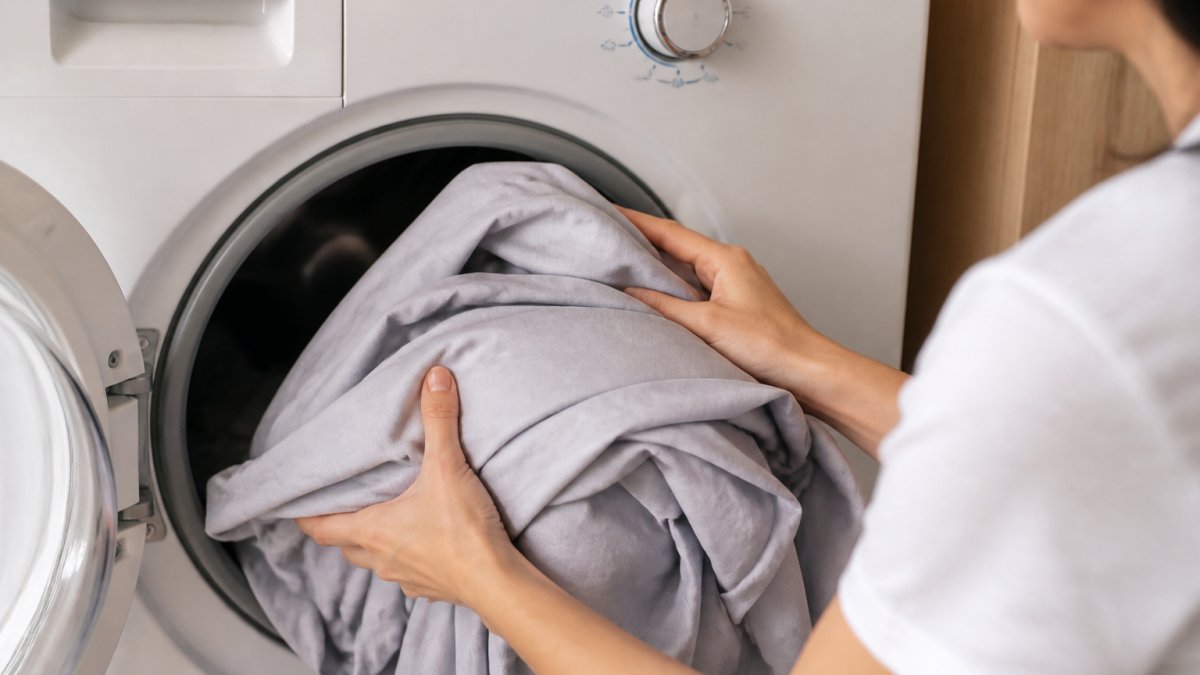
Separate your bamboo sheets from heavier items like towels and jeans. Friction from heavy fabrics causes pilling and weakens delicate viscose fibers. Wash sheets with other soft items, pillowcases, lightweight clothing, or wash them alone for maximum protection.
If you're washing multiple sets, don't overload the machine. Sheets need room to move freely. A crowded load traps detergent residue and prevents thorough rinsing.
Step 2: Choose the Right Water Temperature
Cold water is non-negotiable for washing bamboo viscose sheets. Hot and warm water weaken fibers and cause shrinkage. Cold water cleans effectively while protecting the fabric's integrity.
Fill the machine with cold water before adding detergent and sheets. This ensures the detergent dissolves evenly and distributes throughout the wash. Pre-dissolving detergent also prevents spots or residue from settling on the fabric.
Step 3: Select a Gentle Cycle and Mild Detergent
Use the gentle or delicate cycle on your washing machine. This setting uses slower spin speeds and shorter agitation periods, reducing stress on fibers. A permanent-press cycle works as an alternative if your machine doesn't have a delicate option.
Add only a small amount of mild, liquid detergent. Bamboo viscose absorbs water readily, so excess detergent leaves residue that's hard to rinse out completely. A small amount is typically enough for a full load. If you're unsure, start with less, you can always add more if needed.
Choose detergents labeled as mild, gentle, or free of optical brighteners and bleach. Many eco-friendly detergents work well because they're formulated without harsh chemicals. Avoid powder detergents, which can leave particles behind.
Step 4: Avoid Bleach, Fabric Softener, and Harsh Chemicals
Never use bleach on bamboo viscose sheets. Bleach breaks down the molecular structure of the fibers, causing yellowing, brittleness, and holes. Even oxygen-based bleach alternatives can damage viscose over time.
Skip fabric softener entirely. It coats the fibers with a waxy residue that traps moisture, reduces breathability, and makes the sheets less absorbent. The buildup also encourages bacterial growth and mildew. Bamboo sheets are naturally soft, softener adds nothing but problems.
Avoid vinegar and baking soda as well. While these sound natural and gentle, they're too acidic or alkaline for viscose fibers. Save these remedies for cotton or synthetic blends.
How to Dry Bamboo Sheets Without Damage
Air-drying is the gentlest option for bamboo viscose sheets. Hang them on a clothesline, drying rack, or lay them flat on a clean surface. Air-drying takes longer but preserves the fibers completely.
If you use a dryer, set it to low heat or air-dry mode. High heat causes shrinkage and weakens fibers. Remove sheets while slightly damp to prevent over-drying, which makes them stiff. Fold them immediately after removal to minimize wrinkles.
Never use high heat, even on low-heat cycles that run longer. The cumulative exposure to warmth damages bamboo viscose. Low heat for a short cycle is acceptable occasionally, but air-drying is always better.
If your dryer has a "no heat" or "air fluff" setting, use that instead of any heat cycle. Your sheets stay soft longer and you avoid the shrinkage risk entirely.
Best Detergent for Bamboo Sheets and Fabric Care
Mild, liquid detergents work best for bamboo viscose sheets. Look for products labeled as gentle, delicate, or free of:
- Bleach and optical brighteners
- Phosphates
- Sulfates
- Enzymes
- Dyes and perfumes (if you have sensitive skin)
Eco-friendly and plant-based detergents are often good choices because they're formulated without harsh chemicals. Brands marketed for delicates or hand-washing also tend to be gentler than standard laundry detergents.
Warm Ivory Bamboo Sheets - Full - Soft Cooling 7pc →
Avoid detergents designed for heavy-duty cleaning or stain removal. These contain stronger surfactants and enzymes that can damage delicate fibers. If you encounter a stain, treat it separately before washing rather than relying on a heavy-duty detergent.
How Often to Wash Bamboo Sheets for Longevity
Wash bamboo viscose sheets every 1 to 2 weeks for most sleepers. If you sleep hot or sweat heavily, wash them weekly.
Washing too frequently wears out fibers faster, even with gentle care. Washing too infrequently allows sweat, oils, and bacteria to accumulate, which reduces breathability and can cause odors or skin irritation.
Between washes, air out your sheets. Pull back the comforter during the day to let moisture evaporate. This extends the time between washes and keeps sheets fresher.
How to Remove Stains from Bamboo Sheets
Treat stains as soon as possible. Fresh stains are easier to remove than set-in ones.
General stain-removal rules:
- Never apply heat (hot water, dryer, iron) before the stain is gone. Heat sets stains permanently into the fibers.
- Always blot, never rub or scrub. Rubbing pushes the stain deeper and can damage delicate fibers.
- Work from the outside edge of the stain toward the center to avoid spreading it.
- Test any treatment on a hidden corner of the sheet first to ensure it doesn't discolor the fabric.
Sweat and body-oil stains: These are the most common stains on sheets. Blot the area with a damp cloth, then apply a small amount of mild liquid detergent directly to the stain. Gently work the detergent into the fabric with your fingertips using a circular motion. Let it sit for 15 to 30 minutes, then rinse thoroughly with cold water. Wash the sheet normally. If the stain persists, soak the affected area in cold water with mild detergent for 1 hour before washing again.
Blood stains: Rinse immediately with cold water, warm or hot water will set a blood stain. Blot the area, then apply a small amount of mild detergent and work it gently into the fibers. For fresh blood, this is often enough. For older stains, soak in cold water with mild detergent for 30 minutes to 1 hour, then rinse and wash normally.
Oil and grease stains: Blot the stain to remove excess oil, then apply a small amount of mild liquid detergent directly to the stain and let it sit for 10 to 15 minutes before rinsing with cold water. Wash normally. Repeat if necessary.
Makeup and cosmetic stains: These often contain oils and pigments. Blot gently, then apply mild liquid detergent to the stain and let it sit for 15 to 20 minutes. Gently work the detergent into the fibers with your fingertips, then rinse with cold water. For stubborn makeup stains, soak in cold water with mild detergent for 30 minutes, then rinse and wash. Avoid rubbing, which can spread pigment or damage the fibers.
Food and beverage stains (coffee, tea, wine, juice, sauce): Rinse immediately with cold water to dilute the stain. Blot the area, then apply mild liquid detergent and let it sit for 15 to 30 minutes. Gently work the detergent in, then rinse thoroughly. For darker stains like red wine or coffee, soak in cold water with mild detergent for 1 hour before washing. If the stain persists after one wash, repeat the soak rather than using harsher chemicals or bleach.
When to soak versus when to treat and wash: Fresh stains (treated within a few hours) usually respond to detergent and a single wash cycle. Set-in stains (older than 24 hours) benefit from a 30-minute to 1-hour soak in cold water with mild detergent before washing.
Stains that won't come out: If a stain persists after two wash cycles with proper treatment, it may be permanent. Do not use bleach, oxygen-based stain removers, or harsh chemicals in an attempt to force removal, these will damage the fibers or discolor the sheet. Accept the stain as part of the sheet's history, or consider the sheet suitable for guest use or storage.
Common Mistakes to Avoid
Washing with heavy fabrics. Towels and jeans create friction that damages delicate viscose fibers. Wash sheets separately or with other soft items only.
Using too much detergent. Excess detergent leaves residue that's hard to rinse out, reducing softness and breathability. Less is more with bamboo sheets.
Ignoring the care label. Manufacturers include care instructions for a reason. Follow them, even if your sheets seem sturdy. Viscose is more delicate than it looks.
Drying on high heat. Even one wash on high heat can cause shrinkage and weaken fibers. Stick to low heat or air-drying.
Storing sheets while damp. Moisture trapped in storage encourages mildew and odors. Always dry sheets completely before folding and storing.
Frequently Asked Questions
Can you machine wash bamboo viscose sheets?
Yes, bamboo viscose sheets are machine-washable. Use cold water on a gentle or delicate cycle to preserve the fabric's softness and prevent damage. Always check the care label on your sheets before washing. Avoid hot water, harsh cycles, and bleach, as these can weaken the fibers and cause fading or shrinkage.
What water temperature should you use to wash bamboo viscose sheets?
Wash bamboo viscose sheets in cold water. Cold water protects the fabric from shrinkage, color fading, and weakening of the fibers. If you prefer slightly warmer water, room-temperature water is acceptable, but avoid warm or hot water as it can damage the delicate viscose fibers and reduce the sheet lifespan.
What laundry detergent is best for bamboo sheets?
Use a mild, liquid detergent without dyes or perfumes. Eco-friendly or gentle detergents work well for bamboo viscose. Avoid heavy-duty or enzyme-based detergents, as these can be too harsh. Use less detergent than you normally would, bamboo sheets require less soap to get clean. Excess detergent leaves residue that dulls the fabric.
How often should you wash bamboo viscose sheets?
Wash bamboo sheets every 1-2 weeks depending on personal preference and climate. Hot sleepers who sweat may need to wash weekly, while others can extend to every two weeks. Washing too frequently can wear the fabric faster, while infrequent washing allows bacteria to accumulate. Find a routine that balances cleanliness with fabric care.
Washing bamboo viscose sheets correctly is simple once you understand what the fibers need. Cold water, gentle cycles, mild detergent, and proper drying are the foundation of long-lasting comfort. Bambusasheets sheets are built to last years when cared for properly, and following these steps ensures you get the full lifespan and softness you paid for. Start with cold water and a gentle cycle today, and your sheets will reward you with years of silky, breathable comfort.