
Table of Contents
- Why Natural Fibers Matter for Eczema
- Best Fabric Types for Hypoallergenic Bedding
- The Role of Breathability and Moisture-Wicking
- How to Wash Bedding for Eczema
- Avoiding Chemical Irritants and Non-Toxic Dyes
- Managing Nighttime Eczema Symptoms
- Thread Count and Skin Friction: What Actually Matters
- Dust Mites, Temperature Regulation, and Sleep Quality
- Frequently Asked Questions
Last Updated: September 21, 2026
Why Natural Fibers Matter for Eczema
Eczema flare-ups worsen at night when skin is trapped against synthetic materials that trap heat and moisture, making hypoallergenic bedding for eczema relief essential for better sleep. Natural fibers like bamboo viscose, organic cotton, and silk breathe differently than polyester, allowing your skin to regulate temperature and moisture more effectively. Since the eczema skin barrier is already compromised and loses water faster, breathable hypoallergenic bedding supports your body's natural cooling process rather than fighting it.
Bamboo viscose is naturally hypoallergenic and resists bacterial growth and dust mite colonization better than cotton, which matters when you're waking up with welts from nighttime scratching.
Best Fabric Types for Hypoallergenic Bedding
Bamboo Viscose: Breathable and Skin-Friendly
Bamboo viscose is softer than most cottons while maintaining superior breathability and moisture-wicking without feeling clammy. Its less-dense fiber structure allows air to flow easily, preventing the heat buildup that triggers flare-ups. Many people with eczema report that bamboo sheets feel cool to the touch.
Bamboo viscose naturally repels bacteria and resists mold and mildew growth, preventing microbial colonization that worsens inflammation, a significant advantage for dust mite-sensitive eczema sufferers.
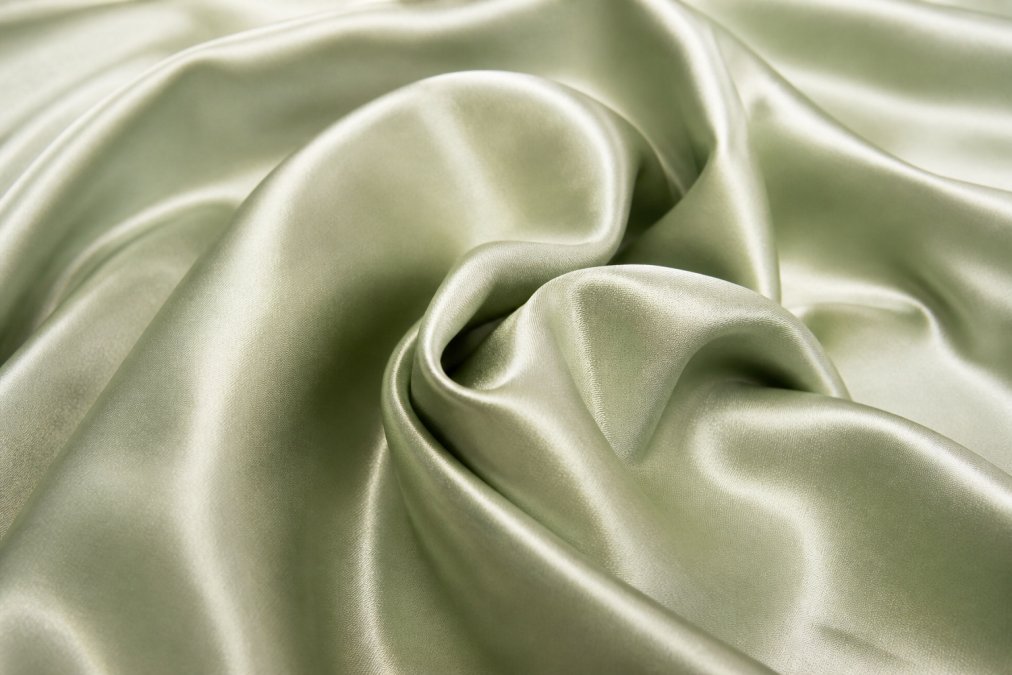
Bambusasheets manufactures sheets in sateen weave, which reduces surface friction, important for people whose eczema flares with fabric drag or pressure.
Organic Cotton and Silk Alternatives
Organic cotton eliminates synthetic pesticides and formaldehyde-based finishes that trigger dermatitis. It breathes well and is naturally hypoallergenic, though it doesn't wick moisture as effectively as bamboo viscose and is more prone to dust mite accumulation.
Silk is exceptionally smooth and naturally hypoallergenic, but it's delicate, expensive, and requires careful washing. For severe eczema, a silk pillowcase paired with bamboo viscose sheets is a practical compromise.
Percale cotton is breathable and cooling but creates more friction than sateen and feels rough against sensitive skin during extended contact.
The Role of Breathability and Moisture-Wicking
Moisture-wicking fabrics pull sweat away and prevent maceration of the skin barrier. Bamboo viscose excels at this because it absorbs moisture without feeling saturated, while cotton releases moisture slowly, creating a damp microclimate that promotes bacterial growth and worsens eczema.
Breathability allows air to circulate; tightly woven sheets restrict airflow and trap heat and humidity. Ideal eczema sheets wick moisture, allow air circulation, and minimize friction, bamboo viscose sheets with sateen weave achieve all three.
How to Wash Bedding for Eczema
Detergent choice is often the hidden trigger that undermines premium hypoallergenic bedding for eczema relief. Detergent residue is one of the most common causes of eczema flare-ups.
Detergent Selection: Beyond "Hypoallergenic" Labels
Standard "hypoallergenic" labels often mean only that they lack fragrance oils, but they still contain surfactants, optical brighteners, and enzymes that irritate compromised skin barriers.
Look for detergents specifically formulated for sensitive skin or eczema.
- Minimal surfactants: Fewer cleaning agents mean less residue buildup. Surfactants are the compounds that lift dirt and oils from fabric, but they also coat fibers and can irritate skin during extended contact.
- No optical brighteners: These chemicals make whites appear brighter but leave a coating on fabric that reduces breathability and can trigger itching.
- No enzymes: Enzymatic detergents break down proteins and are effective for stains, but they can also break down the natural oils in bamboo viscose and organic cotton, reducing the fabric's softness and moisture-wicking properties over time.
- Fragrance-free formulation: Even "gentle" fragrances can irritate eczema-prone skin. Fragrance compounds are among the most common contact allergens.
Washing Protocol for Maximum Compatibility
Wash in cold water on a gentle cycle; hot water strips natural oils and damages bamboo viscose fiber structure. Use the minimum detergent recommended, more doesn't clean better, only increases residue likelihood.
Organic Bamboo Cooling Sheet Set →
Drying and Heat Management
Tumble dry on low heat or air dry to preserve fabric softness and breathability. If using a dryer, remove sheets while slightly damp and finish air-drying to minimize heat exposure.
Detergent Compatibility and Fabric Longevity
Harsh detergents break down bamboo viscose fibers faster, reducing softness and moisture-wicking within 20-30 washes. Gentle, eczema-safe detergents preserve fabric integrity and extend bedding lifespan.
Avoiding Chemical Irritants and Non-Toxic Dyes
Standard bedding is treated with formaldehyde-based finishes; trace amounts can remain and trigger dermatitis. Look for OEKO-TEX Standard 100 certification, which tests for over 300 chemicals. Synthetic dyes can contain heavy metals; low-impact dyes bond directly to fibers without heavy metal mordants, reducing chemical leaching.
Pillowcase vs. Sheet Material: Facial Eczema Considerations
Facial eczema requires different material considerations than body eczema because facial skin is thinner, more permeable, and in continuous 6-8 hour contact with pillowcases. If your eczema is concentrated on your face, neck, or décolletage, pillowcase material is more critical than sheet material.
Managing Nighttime Eczema Symptoms
Temperature regulation is critical for preventing nighttime flare-ups. Your body naturally cools during sleep, and if your sheets trap heat, your skin temperature rises, triggering itching and inflammation. Breathable, moisture-wicking sheets maintain a stable microclimate that supports your body's natural cooling process.
Thread Count and Skin Friction: What Actually Matters
Thread count measures the number of threads woven into one square inch of fabric. Higher thread count is often marketed as "luxury," but for eczema-prone skin, it's actually a liability.
Dust Mites, Temperature Regulation, and Sleep Quality
Dust mites thrive in warm, humid environments. They feed on dead skin cells and their feces are a common allergen trigger. If you're waking up with itching or congestion, dust mites may be contributing to your symptoms.
Frequently Asked Questions
What is the best hypoallergenic bedding for people with eczema?
The best hypoallergenic bedding combines natural fibers with breathable construction. Bamboo viscose sheets are excellent for eczema because they're naturally hypoallergenic, moisture-wicking, and gentle on sensitive skin. Organic cotton and silk also work well. Look for OEKO-TEX certified fabrics that are free from formaldehyde and non-toxic dyes. Avoid synthetic fibers and high thread counts that trap heat and moisture, which trigger flare-ups.
How do the benefits of bamboo viscose for skin compare to cotton?
Bamboo viscose outperforms cotton for eczema-prone skin in several ways. It's naturally more breathable and moisture-wicking, keeping skin dry throughout the night. Bamboo viscose has a smoother surface that reduces friction and skin irritation, while its hypoallergenic properties naturally repel bacteria and dust mites. Cotton sheets, especially lower-quality ones, can retain moisture and harbor allergens. High-quality bamboo viscose also resists mold and mildew better, creating a cleaner sleep environment.
How often should I wash bedding if I have eczema?
Wash your sheets weekly to reduce dust mites and allergen buildup. Use cold water on a gentle cycle and avoid bleach, which irritates sensitive skin. Choose a mild, fragrance-free detergent specifically formulated for sensitive skin. Tumble dry on low heat to preserve the fabric's softness and hypoallergenic properties. Pillowcases should be washed even more frequently, twice weekly, since they have direct contact with your face and neck, where eczema flare-ups often occur.
Can hypoallergenic sheets really reduce nighttime eczema flare-ups?
Yes. Hypoallergenic sheets reduce flare-ups by minimizing skin irritation from friction, moisture buildup, dust mites, and chemical residues. Breathable fabrics like bamboo viscose regulate body temperature, preventing the heat and sweat that trigger itching. Formaldehyde-free, non-toxic dyes eliminate chemical irritants that penetrate the skin barrier. When combined with proper washing protocols and low thread counts that reduce friction, hypoallergenic bedding significantly decreases nighttime itching and allows your skin to heal during sleep.
What does OEKO-TEX certification mean for eczema-safe bedding?
OEKO-TEX certification means the fabric has been tested and verified to be free from harmful chemicals, including formaldehyde, heavy metals, and pesticide residues. This certification is crucial for eczema sufferers because chemical irritants can trigger severe flare-ups and worsen skin barrier damage. OEKO-TEX certified sheets are dermatologist-recommended for sensitive skin and ensure that every component of the fabric, from fiber to dye to finish, meets strict safety standards.
Does thread count matter for eczema-friendly sheets?
Thread count matters, but not the way many assume. Very high thread counts (over 600) actually trap heat and moisture, worsening eczema symptoms. For eczema relief, aim for thread counts between 300-500, which balance softness with breathability. Lower thread counts reduce skin friction and allow better air circulation. The weave (sateen vs. percale) matters more than thread count, sateen weaves are smoother and reduce friction, while percale is crisper but still breathable.
How does managing nighttime eczema symptoms start with bedding choices?
Your bedding directly impacts nighttime eczema symptoms because you spend 6-8 hours in contact with it. Hypoallergenic, breathable sheets prevent the heat and moisture that trigger itching. Natural fibers reduce friction that damages the skin barrier. Dust mite-resistant fabrics minimize allergen exposure. Temperature-regulating materials prevent night sweats that worsen flare-ups. Combined with proper washing and low-irritant detergents, the right bedding creates a healing sleep environment where your skin barrier can repair itself instead of being constantly irritated.