
Table of Contents
- Why the Sateen Weave Bamboo Sheets Feel Different
- Cooling Properties of Bamboo Bedding for Hot Sleepers
- A Gentle Choice for Sensitive Skin and Allergies
- Bamboo Sateen vs Twill Weave: What Changes in Practice
- Durability and Aging: What to Expect Over Time
- How to Care for Bamboo Viscose Sheets the Right Way
- Are Sateen Weave Bamboo Sheets Worth the Investment?
- Frequently Asked Questions
Last Updated: September 9, 2026
The benefits of sateen weave bamboo sheets go far beyond a soft first touch. In this Bambusasheets guide, we break down what the weave actually changes: how the fabric breathes, how it stands up to years of washing, and where it genuinely outperforms other constructions.
Sateen weave bamboo is a fabric construction where bamboo viscose yarns are woven with a three-over-one pattern, creating a smooth, lustrous surface with a subtle drape. Unlike a standard plain weave, this technique packs more threads onto the face of the fabric, producing that signature silky hand-feel and soft sheen. The trade-off is real: that dense surface makes the material feel luxurious, but it also influences how carefully you must wash them.
Why the Sateen Weave Bamboo Sheets Feel Different
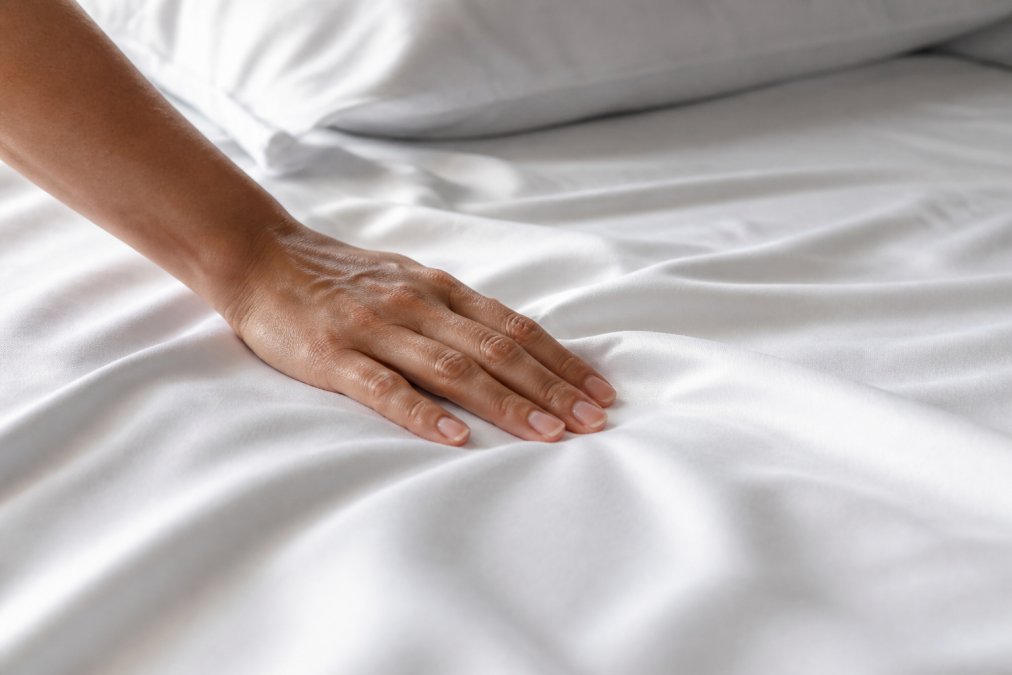
The sateen weave bamboo construction is the single biggest reason these sheets feel radically different from cotton or even standard bamboo bedding. The three-over-one interlacing leaves longer yarn floats on the surface, translating to a smoother, silkier contact against your skin compared to the grid-like texture of a percale or plain weave.
That structure also gives the fabric a lustrous finish and a gentle drape that hugs your body without clinging. In practice, the sheet feels cool and sleek when you slide in, rather than crisp or rough.
Cooling Properties of Bamboo Bedding for Hot Sleepers
The cooling properties of bamboo bedding start with the fiber, but the sateen weave changes how that cooling reaches your skin. Bamboo viscose is a regenerated cellulose fiber with a smooth, non-porous surface that wicks moisture along its length rather than absorbing it into a hollow core like cotton. That capillary action pulls sweat away from your body and spreads it across a larger surface area, where it evaporates and carries heat with it.
Hot sleepers need to understand the trade-off between the sateen weave's dense surface and its breathability. The three-over-one interlacing pattern creates longer yarn floats on the face of the fabric, meaning more yarn surface area is in direct contact with your skin. That contact feels cool on entry because the smooth viscose fibers conduct heat away efficiently, However, the sateen weave also traps more still air between those longer floats compared to a percale's one-over-one grid. Still air is an insulator. So while the fabric conducts heat away from your skin efficiently, the weave structure slightly reduces the airflow that would help that heat dissipate into the room. The net effect is a sheet that feels cool to the touch but runs slightly warmer than a percale bamboo sheet of the same fiber quality.
For a hot sleeper who also wants that silky-soft feel, the sateen weave is still a strong choice. If you run moderately warm and prioritize a smooth, luxurious surface, sateen's cooling performance is sufficient for most sleep environments.
Moisture management is where sateen bamboo genuinely excels for hot sleepers. Because the smooth viscose surface does not absorb water into a fiber core the way cotton does, sweat stays on the surface where it can evaporate. The dense weave spreads moisture across a wider area quickly, accelerating evaporation. This is why sateen bamboo sheets feel less clammy than cotton sheets during night sweats.
A Gentle Choice for Sensitive Skin and Allergies
For sensitive skin, the benefits of sateen weave bamboo sheets are particularly pronounced because the smooth surface reduces friction against your skin. The long floats create fewer abrasive contact points than a rougher twill or plain weave, which matters for side sleepers or anyone prone to irritation.
Bamboo viscose is naturally hypoallergenic and antibacterial, making it a strong option for allergy sufferers (peer-reviewed research). The fiber resists dust mite accumulation, and its smooth surface gives allergens less texture to cling to. For anyone who has reacted to other "hypoallergenic" sheets, a smooth sateen surface simply holds fewer particles against your skin.
Bamboo Sateen vs Twill Weave: What Changes in Practice
The bamboo sateen vs twill weave comparison comes down to surface feel versus durability priorities. A twill weave uses a diagonal pattern that creates a more textured, matte finish, while sateen produces that smooth, lustrous face. Both are durable constructions, but they serve different preferences.
To help you decide which construction fits your sleep style, here is a practical breakdown:
| Weave Type | Surface Feel | Best For | Trade-Off |
|---|---|---|---|
| Sateen | Silky-soft, smooth, subtle sheen | Hot sleepers who want luxury feel | Requires gentler washing to prevent snagging |
| Twill | Textured, matte, slightly heavier | Those who prefer a more casual, durable hand-feel | Less smooth against sensitive skin |
In practice, the sateen weave offers superior friction reduction and that premium, silky-soft sensation. The twill weave may hide wear better over time, but it lacks the refined comfort most buyers seek when investing in bamboo bedding. For most sleepers, especially those with sensitive skin, the sateen construction is the better daily choice.
Durability and Aging: What to Expect Over Time
A common question is whether the delicate surface of sateen weave bamboo sheets holds up to regular use. The honest answer is that longevity depends heavily on fiber quality, weave density, and care habits. Here is what you can realistically expect across 50, 100, or 200 washes.
Washes 1-10: The Break-In Period
During the first several washes, bamboo sateen sheets undergo their most noticeable transformation. The yarns relax, the weave settles, and the fabric softens considerably. You may notice slight shrinkage of 2-3% in the first wash, this is normal for bamboo viscose and is why manufacturers pre-shrink or recommend cold water washing (peer-reviewed research). The lustrous sheen is at its brightest during this period.
Washes 10-50: The Peak Performance Window
This is the sweet spot. The fabric has fully relaxed, the sheen has mellowed into a gentle luster, and the surface is at its silkiest. During this window, watch for the first signs of pilling, small fuzzy balls that form where short fibers work loose and tangle. Pilling on bamboo sateen is almost always a fiber-quality issue. Sheets made from long-staple bamboo viscose (fibers longer than 38mm) resist pilling dramatically better than those made from short-staple or recycled fibers. If you see pilling before wash 30, the fiber quality is suspect.
Washes 50-150: The Aging Curve
This is where the sateen weave's unique aging pattern emerges. The long yarn floats on the surface begin to flatten and micro-fuzz slightly. The sheen continues to soften, transitioning from a glossy finish to a more matte, brushed appearance. This is not degradation, it is the natural evolution of the weave. The fabric becomes even softer and more supple during this period.
Washes 150+: The Longevity Test
A well-made bamboo sateen sheet set should reach 200-300 washes before showing significant wear. The most common failure mode is not fabric breakdown but seam failure, the stitching around the fitted sheet corners or hem can fray before the fabric itself gives out.

The sateen weave's specific vulnerability is snagging. Because the yarn floats run longer on the surface than in a twill or percale weave, a single snag can pull a visible loop or run. This is not a durability failure in the traditional sense, the fabric does not weaken, but it is an aesthetic one. A snagged loop can be carefully pushed back through to the underside with a needle, but a pulled run is permanent.
The Real Aging Metric: Fiber Quality, Not Weave
The single biggest predictor of how bamboo sateen sheets age is the quality of the viscose fiber itself. Long-staple fibers resist pilling, fraying, and thinning.
What you should expect from a quality set after 100 washes: the fabric is noticeably softer, the sheen has mellowed to a gentle glow, and there is minimal pilling or fraying. What you should not accept: visible thinning, developing holes, or a rough, nubby surface. Those are signs of either poor fiber quality or heat damage from improper washing.
How to Care for Bamboo Viscose Sheets the Right Way
Learning how to care for bamboo viscose sheets correctly is the difference between a set that lasts five years and one that fails in eighteen months.
Wash your sateen weave bamboo sheets in cold water on a gentle cycle. Hot water degrades the viscose fibers and can cause shrinkage (extension.org). Use a mild liquid detergent free of bleach and optical brighteners, which can dull the sheen and weaken the fabric. Tumble dry on low heat or, ideally, line dry. High heat is the fastest way to damage bamboo viscose.
Bamboo fibers resist wrinkles naturally, so you can skip the iron. Pull the sheets from the dryer slightly damp and smooth them on the bed to minimize creases. This simple routine preserves the silky-soft texture and prevents the pilling that comes from fiber breakdown.
Are Sateen Weave Bamboo Sheets Worth the Investment?
The benefits of sateen weave bamboo sheets justify the higher price point when you factor in longevity, comfort, and the elimination of the "scratchy new sheet" breaking-in period. A quality set from Bambusasheets, such as the Organic Bamboo Cooling Sheet Set - Queen - White at $129.00, delivers immediate comfort that improves with age rather than degrading.
Compared to cotton sets at big-box prices, bamboo viscose offers moisture-wicking, thermoregulation, and hypoallergenic properties. The durability of long-staple bamboo fibers means you are not replacing the set every year. Consider the cost per use: a premium set that lasts several years outpaces cheaper alternatives that wear thin and lose their softness quickly.
Beyond the fabric, practical features like embroidered size indicators, which Bambusasheets includes on its 7-piece sets, remove the daily frustration of guessing which way the fitted sheet goes. That small detail, combined with the storage bag and the durable construction, makes the investment feel justified from the first night forward.
Choosing the right sheets is a balance of comfort, longevity, and care commitment. The sateen weave bamboo construction delivers on all three when you understand what you are buying and how to maintain it. Bambusasheets crafts its 7-piece bamboo viscose sets with a delicate sateen weave, naturally breathable and hypoallergenic fiber, and thoughtful details like embroidered size indicators for effortless bed-making. Get started with Bambusasheets and experience the difference of a sheet set designed for both luxury and lasting performance.
Frequently Asked Questions
Are bamboo or sateen sheets better?
They answer different needs. Sateen refers to the weave pattern, while bamboo describes the fiber. A sateen weave bamboo sheet combines both: the silky-soft, lustrous finish of sateen with the breathability and moisture-wicking properties of bamboo viscose. For hot sleepers or anyone with sensitive skin, the bamboo version offers cooling comfort and hypoallergenic benefits.
What is the downside of bamboo sheets?
The main downside is durability if you wash them incorrectly. Bamboo viscose fibers are delicate, so hot water and high-heat drying can cause shrinkage or weaken the weave over time. Lower-quality bamboo sheets may also pill. The sateen weave adds durability, but you still need a gentle wash cycle with cold water and low tumble dry. Following the care label prevents most issues and helps the sheets last for years.
What are the disadvantages of sateen sheets?
They also tend to snag more easily than percale due to the exposed floating yarns. When bamboo viscose replaces cotton, those disadvantages fade: bamboo fibers naturally wick moisture and regulate temperature. The sateen weave still requires careful washing to avoid snagging, but the cooling properties of bamboo bedding offset the heat retention problem.
How does the sateen weave affect the feel of bamboo fabric?
The sateen weave uses a four-over-one-under construction, which exposes more yarn on the surface. That creates a smoother, silkier hand-feel and a subtle lustrous sheen compared to plain weaves. On bamboo viscose, the sateen weave adds a soft drape and reduces friction against skin, which helps prevent irritation for side sleepers. The trade-off is a slightly heavier fabric that requires a gentle wash cycle to protect the delicate floating yarns from snagging.