

Table of Contents
- Why Do I Get So Hot When I Sleep: Common Causes
- Environmental Factors: Room Temperature and Airflow
- How Bedding Materials Affect Sleep Temperature
- Lifestyle Habits That Contribute to Overheating
- Best Bedding for Hot Sleepers
- How to Keep Bedroom Cool for Better Sleep
- When to Consult a Healthcare Provider
- Conclusion
- Frequently Asked Questions
Last Updated: September 29, 2026
Why Do I Get So Hot When I Sleep: Common Causes
Feeling overheated during sleep is more common than you might think. Your body naturally cools itself as you drift off, but sometimes that process gets disrupted. Understanding why you get so hot when you sleep helps you fix the problem and finally get the rest you deserve.
Your core body temperature drops when you sleep. This is normal. But several factors can interfere with this natural cooling process, leaving you sweating through the night and waking up exhausted.
Your Body's Natural Temperature Drop
Sleep triggers a shift in your body's thermoregulation. Your core temperature naturally falls by 2-3 degrees as you enter sleep. This cooling is part of your circadian rhythm, the internal clock that controls sleep-wake cycles.
When this process works smoothly, you sleep soundly. But when your bedroom or bedding traps heat, your body can't cool down properly. The result: you wake up drenched and exhausted.
Some people are naturally hotter sleepers. Their bodies produce more metabolic heat at night, or their bodies are less efficient at shedding that heat. If this is you, knowing your sleep pattern is the first step to fixing it.
Hormonal Fluctuations and Night Sweats
Hormonal changes can trigger intense heat and sweating at night. Progesterone and testosterone both influence body temperature. When these hormone levels shift, your thermoregulation changes with them.
Women often experience this during menstrual cycles. The luteal phase (after ovulation) brings higher body temperature. Some women also report night sweats during perimenopause and menopause, when estrogen and progesterone fluctuate significantly.
Men can experience similar issues. Testosterone levels naturally drop at night in healthy men, but disruptions to this pattern can affect sleep temperature.
If night sweats are severe or sudden, talk to a healthcare provider. Hyperhidrosis (excessive sweating) and other conditions can cause this symptom.
Medications That Increase Body Heat
Some medications increase metabolic rate or interfere with thermoregulation. Antidepressants, stimulants, and certain blood pressure medications are common culprits.
Check your medication's side effects. If night sweats started after you began a new prescription, mention it to your doctor. They may adjust your dose or switch you to an alternative.
Never stop taking medication without medical guidance. But knowing this connection helps you understand what's happening.
Environmental Factors: Room Temperature and Airflow
Your bedroom environment matters more than you realize. Room temperature directly affects how well your body can cool during sleep.
The ideal sleeping temperature is around 65-68 degrees Fahrenheit for most people (The Best Temperature for Sleep). Cooler rooms promote better sleep. If your bedroom stays warmer, your body has to work harder to shed heat.
Airflow is equally important. Stagnant air traps heat around your body. A ceiling fan or open window creates circulation, allowing sweat to evaporate and heat to escape.
Check these environmental factors first:
- Room temperature between 65-68 degrees
- A fan or window for air circulation
- Blackout curtains to block heat from sunlight
- Humidity levels below 50 percent (high humidity prevents sweat from evaporating)
If your room is too warm or stuffy, fixing the environment alone can transform your sleep. Start here before investing in new bedding.
How Bedding Materials Affect Sleep Temperature
Your sheets and mattress have enormous impact on sleep temperature. Some fabrics trap heat. Others allow air to flow through, letting your body cool naturally.
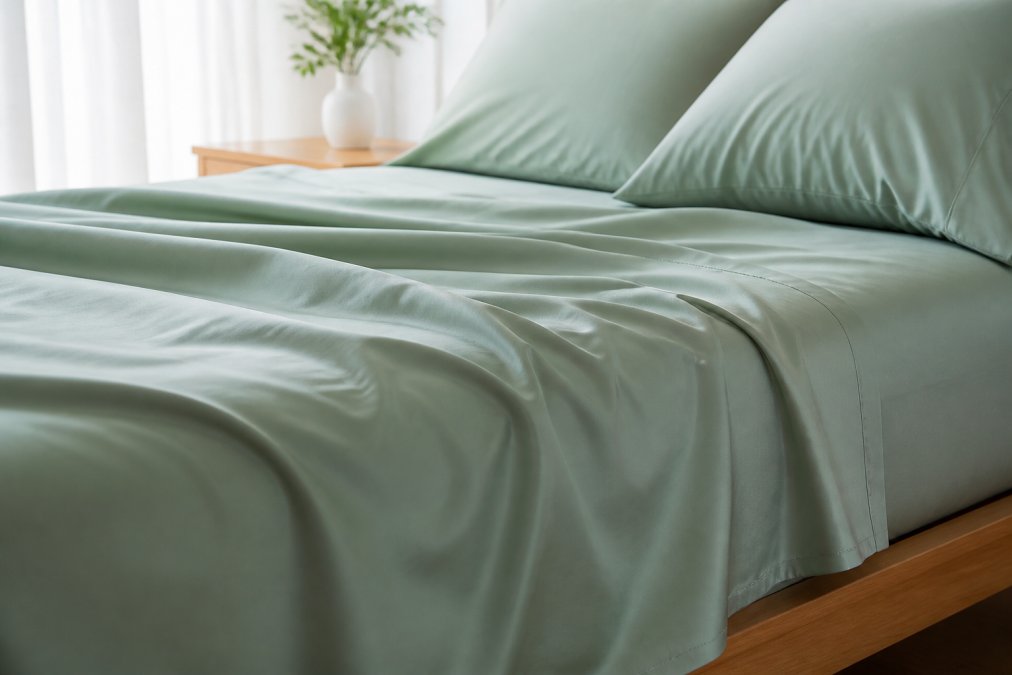
Synthetic fabrics like polyester and microfiber hold heat close to your body. Cotton breathes better but can retain moisture. Natural fibers generally perform better for hot sleepers, but not all natural fabrics are equal.
The weave matters too. Tight weaves trap air. Loose weaves allow airflow. A sateen weave creates a smooth surface that feels cool to the touch and allows better air circulation.
Why Breathable Fabrics Matter for Hot Sleepers
Breathability is the key to staying cool. A breathable fabric lets air pass through instead of trapping heat against your skin.
Moisture-wicking is also critical. When you sweat, a moisture-wicking fabric pulls sweat away from your body so it can evaporate. This keeps you dry and comfortable instead of damp and hot.
Cotton wicks moisture but can feel heavy. Linen breathes well but wrinkles easily. Bamboo viscose does both: it wicks moisture and feels incredibly soft.
For hot sleepers, breathable fabrics aren't optional. They're the foundation of cooler sleep.
Bamboo Viscose: A Cooling Fabric Choice
Bamboo viscose is made from bamboo pulp processed into fiber. The result is a fabric that breathes exceptionally well. Air flows through bamboo viscose easily, preventing heat buildup.
Navy Cooling Bamboo Sheets - Queen →
Bamboo viscose also has natural moisture-wicking properties. It pulls sweat away from your skin faster than cotton. This keeps you dry throughout the night.
The fiber is hypoallergenic and naturally repels bacteria. For people with sensitive skin, this matters. You get cooling comfort without irritation.
Bambusasheets uses bamboo viscose with a delicate sateen weave. The sateen finish creates a lustrous, smooth surface that feels cool against your skin. The weave also enhances durability, so your sheets last longer without pilling or thinning.
If you're a hot sleeper, bamboo viscose sheets are worth trying. They address the root cause: allowing your body to cool naturally instead of trapping heat.
Lifestyle Habits That Contribute to Overheating
What you do before bed directly affects your core temperature when you try to sleep. Several everyday habits raise metabolic heat right when your body should be cooling down for rest.
Exercise timing and metabolic heat
Intense exercise increases your core temperature and heart rate. Your body remains in a heightened metabolic state for hours afterward. If you work out within 3-4 hours of bedtime, your body is still burning energy and generating heat when you should be cooling down. This is especially true for vigorous cardio or strength training. Light stretching or gentle yoga closer to bedtime is less disruptive to your sleep temperature.
The thermic effect of food (TEF)
Digestion generates heat, a process called the thermic effect of food. Your body burns calories just to break down and absorb what you eat. Heavy meals, especially those high in protein or spicy foods, create a larger thermic response and raise your metabolic rate more significantly.
Late-night eating compounds this problem. Eating a large meal 2-3 hours before bed means your digestive system is still working hard when you're trying to sleep. Spicy foods are particularly problematic; capsaicin (the compound that makes peppers hot) can trigger sweating and raise core temperature. If you're a hot sleeper, eat your largest meal earlier in the day and keep evening meals light and bland.
Alcohol and sleep temperature disruption
Alcohol might make you drowsy, but it severely disrupts sleep quality and thermoregulation. Alcohol suppresses melatonin production and interferes with REM sleep, the stage where your body naturally cools. It also causes blood vessels to dilate, increasing heat loss and triggering night sweats. Avoid alcohol 3-4 hours before bed if you struggle with overheating.
Caffeine and elevated metabolism
Caffeine is a stimulant that increases heart rate and metabolic rate, raising core temperature. It has a half-life of 5-6 hours, meaning half the caffeine you consume at noon is still in your system at 5 p.m. For hot sleepers, cutting off caffeine by early afternoon (2 p.m. or earlier) makes a measurable difference. This includes coffee, tea, energy drinks, and even chocolate.
Blue light and circadian disruption
Blue light from phones, tablets, and screens suppresses melatonin production and delays your circadian rhythm.
Best Bedding for Hot Sleepers
The right bedding transforms sleep for hot sleepers. You need sheets that breathe, pillows that stay cool, and a mattress that doesn't trap heat.
Look for these qualities in bedding:
- Breathable, moisture-wicking fabric
- Natural fibers over synthetics
- Looser weaves that allow airflow
- Deep pockets that fit your mattress without bunching
- Pillowcases that don't retain heat
How to Keep Bedroom Cool for Better Sleep
Beyond temperature and bedding, small adjustments to your sleep space make a difference.
When to Consult a Healthcare Provider
Night sweats can sometimes signal an underlying condition. If you experience severe sweating, fever, or sudden changes in your sleep temperature, talk to a doctor.
Conclusion
Feeling hot when you sleep usually comes down to three factors: your environment, your bedding, and your habits. Start by lowering your room temperature to 65-68 degrees and improving airflow. Then switch to breathable, moisture-wicking sheets that let your body cool naturally.
Frequently Asked Questions
Why do I get so hot when I sleep even though my room is cool?
Your body naturally lowers its core temperature at night to initiate sleep, but this process can overshoot, causing you to feel uncomfortably warm. Additionally, your body's circadian rhythm affects thermoregulation throughout the night. Hormonal changes, medications, stress, and your bedding material all play roles in how hot you feel. Breathable fabrics like bamboo viscose help manage moisture and heat more effectively than dense materials, allowing better airflow and reducing the trapped-heat sensation.
What's the best bedding for hot sleepers?
Look for sheets made from naturally breathable, moisture-wicking fabrics. Bamboo viscose sheets are an excellent choice because they're lightweight, allow air circulation, and pull moisture away from your skin. The sateen weave creates a smooth, cool-to-the-touch surface. Avoid heavy cotton blends or flannel, which trap heat. Pair breathable sheets with a lighter comforter or duvet, and ensure your mattress isn't overly dense or memory foam-heavy, as these can retain body heat.
How can I keep my bedroom cool for better sleep?
Maintain a bedroom temperature between 60 and 67 degrees Fahrenheit for optimal sleep. Improve airflow with a ceiling fan or open windows when possible. Use blackout curtains to block heat-generating sunlight during the day. Choose breathable bedding like bamboo viscose sheets that allow heat and moisture to escape. Avoid thick blankets and opt for lighter layers you can adjust. Keep humidity levels moderate, as high humidity prevents sweat from evaporating efficiently, making you feel hotter.
Can certain foods or habits make me sleep hotter?
Yes. Alcohol, caffeine, and heavy meals close to bedtime increase metabolic rate and body temperature. Intense exercise within a few hours of sleep elevates core body temperature. Stress and anxiety trigger your nervous system to raise body temperature. Spicy foods increase heat production. To sleep cooler, avoid alcohol and large meals 2-3 hours before bed, exercise earlier in the day, and practice relaxation techniques like deep breathing before sleep to manage stress-induced overheating.