
Table of Contents
- What Are Hypoallergenic Sheets and How Do They Work?
- Common Bedroom Allergens and Their Impact on Sleep
- Best Bedding for Dust Mite Allergies
- Benefits of Bamboo Sheets for Allergy Sufferers
- How to Wash Sheets to Remove Allergens
- Thread Count, Pore Size, and Allergen Barriers
- Do Hypoallergenic Sheets Really Work? What the Research Shows
- Conclusion: Making the Right Choice for Your Sleep
- Frequently Asked Questions
Last Updated: September 25, 2026
What Are Hypoallergenic Sheets and How Do They Work?
Hypoallergenic sheets are bedding made from materials designed to resist common allergens like dust mites, pet dander, and mold spores, which is why many people ask if are hypoallergenic sheets worth it for allergies. The term "hypoallergenic" doesn't mean completely allergen-free, it means the sheets are less likely to trigger allergic reactions in sensitive sleepers. Bambusasheets creates these sheets using bamboo viscose fibers, a naturally breathable material that repels bacteria.

The way hypoallergenic sheets work comes down to fabric density and fiber properties. Tightly woven fibers create a barrier that prevents allergens from penetrating the fabric. Bamboo viscose has naturally antimicrobial properties, meaning it actively resists bacterial growth. This combination of tight weave and natural properties makes sheets more protective for people with allergies or sensitive skin.
The difference between hypoallergenic sheets and standard bedding lies in the manufacturing process. Standard cotton sheets are often treated with chemical finishes that can irritate sensitive skin. Hypoallergenic options skip harsh treatments, leaving the natural fiber properties intact. When you choose sheets specifically engineered for allergies, you're investing in both the material quality and the manufacturing approach.
Common Bedroom Allergens and Their Impact on Sleep
Your bedroom contains multiple allergen sources that disrupt sleep quality and trigger respiratory symptoms. Dust mites are the primary culprit, these microscopic creatures thrive in bedding, feeding on dead skin cells. A single mattress can harbor thousands of dust mites, and their feces contain proteins that trigger allergic rhinitis, nasal congestion, and nighttime sneezing.
Pet dander accumulates on sheets even if pets don't sleep in your bed. Mold spores grow in humid bedroom environments, especially in areas with poor air circulation. Pollen tracked indoors settles on bedding surfaces. For people with eczema or dermatitis, these allergens cause skin irritation that worsens at night when you're in prolonged contact with contaminated sheets.
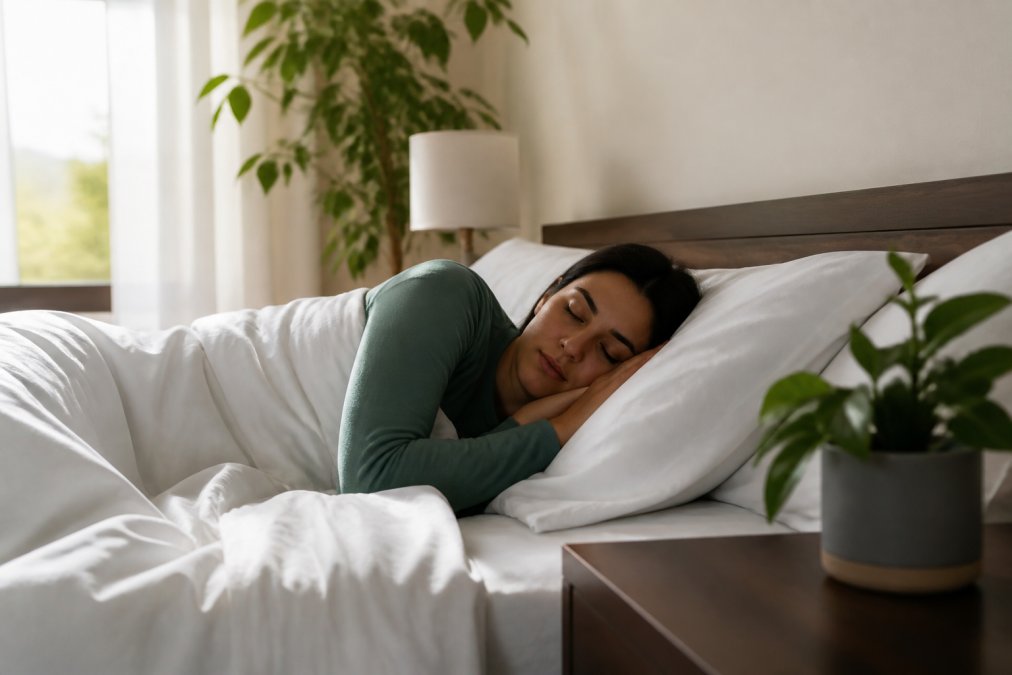
The impact on sleep quality is significant. Nighttime allergic reactions cause frequent waking, shallow sleep, and morning congestion. This disrupts your sleep cycle and leaves you fatigued during the day. Over time, poor sleep from untreated bedroom allergens contributes to weakened immune function and increased susceptibility to infections.
Hypoallergenic sheets address this by reducing allergen accumulation. The tightly woven fabric prevents dust mites from burrowing into the material. The naturally antimicrobial properties of bamboo viscose discourage bacterial growth. This creates a cleaner sleep environment where allergens have fewer places to hide.
Best Bedding for Dust Mite Allergies
Dust mite allergies require bedding that physically blocks these microscopic creatures from settling into the fabric. The most effective materials share two qualities: tight weave and natural antimicrobial properties. Bamboo viscose excels at both.
Natural fibers can be beneficial for dust mite control. Synthetic microfiber sheets may feel soft, but their looser weave allows dust mites to penetrate deeper into the fabric.
The thread count matters more than many people realize. A thread count between 300 and 600 creates a dense enough weave to block allergens without feeling stiff or uncomfortable. Higher thread counts don't necessarily improve allergen protection, they may actually reduce breathability, trapping moisture that dust mites thrive in.
Bambusasheets' bamboo viscose sheets feature a sateen weave that combines the tightly woven structure needed for allergen protection with the breathability that prevents moisture buildup. The natural fiber resists dust mites without requiring chemical treatments that irritate sensitive skin. The embroidered size indicators make it easy to identify and wash sheets correctly, supporting consistent allergen removal.
Benefits of Bamboo Sheets for Allergy Sufferers
Bamboo viscose sheets offer specific advantages for people with allergies and sensitive skin. The fiber naturally repels bacteria. Unlike chemical-treated alternatives, bamboo achieves this protection through its inherent properties, not added coatings that can irritate skin.
The moisture-wicking capability of bamboo viscose helps keep your sleep surface drier. This is especially valuable for hot sleepers who perspire during the night.
Bamboo viscose is kind-to-skin. The smooth fiber surface reduces friction. The natural properties mean fewer chemical finishes, lowering the risk of allergic skin reactions.
The durability of high-quality bamboo sheets means they maintain their properties longer. Bambusasheets' long-fiber bamboo viscose resists pilling and maintains its tight weave through repeated washing.
How to Wash Sheets to Remove Allergens
Washing frequency directly impacts allergen levels in your bedding. For people with dust mite allergies, washing sheets weekly in hot water is the most effective protocol. Hot water kills dust mites and removes allergen-containing debris more thoroughly than cold water. Aim for water temperatures of at least 130°F (54°C) to eliminate mites effectively.
Organic Bamboo Cooling Sheet Set →
The washing cycle matters as much as temperature. Use a gentle or delicate cycle to protect the fabric's integrity while still removing allergens. A standard cycle works if your sheets are heavily soiled, but gentle cycles preserve the weave structure that provides allergen protection. Wash sheets separately from other bedding to prevent cross-contamination.
Detergent choice affects both allergen removal and skin sensitivity. Hypoallergenic or fragrance-free detergents work best for people with sensitive skin. Avoid fabric softeners, which leave residue on the fibers and can irritate skin. Double-rinse if you have severe allergies to ensure all detergent residue is removed.
Drying temperature is often overlooked but important. Tumble drying on low heat removes remaining moisture that dust mites need. High heat can damage bamboo fibers, reducing their durability and protective properties. Line drying is an alternative that avoids heat damage, though it takes longer.
For Bambusasheets, the recommended washing protocol is cold water on a gentle cycle to preserve the sateen weave and long-fiber structure.

Thread Count, Pore Size, and Allergen Barriers
Thread count is the number of threads woven into one square inch of fabric. A higher thread count creates a denser weave with smaller pore sizes, which blocks dust mites more effectively. However, the relationship isn't linear, a thread count above 600 doesn't necessarily provide better allergen protection than 400-500.
Pore size is the actual gap between fibers in the weave. Dust mites are roughly 0.3 millimeters in size, so sheets need pore sizes smaller than this to provide a true barrier. A thread count of 300-400 typically creates pores small enough to block mites, while still maintaining breathability. Higher counts can actually reduce airflow, trapping heat and moisture that mites prefer.
The type of weave affects allergen protection as much as thread count. A sateen weave, like the one used in Bambusasheets, creates a smooth surface with tight interlocking fibers. This provides both allergen protection and a soft feel. Percale weave is crisp and durable but slightly less effective at blocking allergens.
Material matters more than thread count alone. A bamboo viscose sheet can offer good allergy protection. The natural antimicrobial properties of bamboo create a hostile environment for dust mites, while synthetic fibers rely solely on physical density to block allergens.
The practical takeaway: don't obsess over thread count numbers. Focus on material type, weave style, and actual pore size specifications when evaluating sheets for allergies. A mid-range thread count in a natural fiber with tight weave beats a high thread count in a synthetic material.
Do Hypoallergenic Sheets Really Work? What the Research Shows
The effectiveness of hypoallergenic sheets depends on what you're comparing them against and how you define "working." Compared to untreated standard sheets, hypoallergenic options can help reduce allergen accumulation.
Sheets alone don't eliminate allergies, they reduce exposure to one allergen source. A comprehensive approach combining hypoallergenic bedding, regular washing, mattress protectors, air purifiers, and humidity control produces the best results.
Conclusion: Making the Right Choice for Your Sleep
When considering whether are hypoallergenic sheets worth it for allergies, the answer is yes if you have dust mite allergies, eczema, or sensitive skin that reacts to standard bedding. They work best as part of a comprehensive allergen-control strategy that includes weekly hot water washing, mattress protectors, and environmental humidity management. Sheets alone won't eliminate allergies, but they significantly reduce nighttime allergen exposure when chosen and maintained correctly.
| Feature | Impact on Allergies | Bambusasheets Approach |
|---|---|---|
| Material Type | Natural fibers resist dust mites better | Bamboo viscose with antimicrobial properties |
| Thread Count | 300-600 optimal for allergen blocking | Mid-range density for protection and breathability |
| Weave Style | Sateen blocks allergens while staying soft | Delicate sateen weave with tight fiber structure |
| Washing | Hot water weekly removes allergens | Designed for gentle cycle; recommend hot water for allergies |
| Durability | Quality sheets maintain protection longer | Long-fiber construction resists pilling and wear |
| Breathability | Prevents moisture that dust mites need | Moisture-wicking bamboo keeps surface dry |
Frequently Asked Questions
Can bamboo sheets help with dust mite allergies?
Yes. Bamboo viscose sheets feature a tightly woven structure that creates an effective allergen barrier against dust mites. The naturally antimicrobial properties of bamboo fiber also inhibit bacterial growth, reducing irritants that trigger allergic reactions. Combined with proper washing protocols, bamboo sheets can significantly minimize dust mite exposure during sleep.
How often should you wash sheets to reduce allergens?
Wash sheets weekly on a gentle cycle to effectively remove dust mites, dander, and other allergens. For best results with Bambusasheets, wash in cold water and tumble dry on low heat to preserve the fabric’s softness. Weekly washing is a common recommendation for allergy sufferers.
What type of sheets are best for people with allergies?
Natural fiber sheets with high thread count and tight weaves work best for allergy sufferers. Bamboo viscose, organic cotton, and silk all offer hypoallergenic properties and create effective barriers against dust mites and dander. Bamboo viscose sheets are particularly beneficial because they are naturally breathable, moisture-wicking, and resistant to bacterial growth, all factors that reduce allergen accumulation.
Are hypoallergenic sheets worth the extra cost?
For allergy sufferers experiencing nasal congestion, respiratory symptoms, or dermatitis, hypoallergenic sheets provide measurable relief and improved sleep quality. High-quality bamboo viscose sheets like those from Bambusasheets ($83-$148) are durable and long-lasting, justifying the investment through years of use. The combination of allergen reduction and superior comfort makes them a worthwhile choice for sensitive sleepers.