
Table of Contents
- Bamboo vs Silk: Quick Comparison for Allergy Sufferers
- How Bamboo Sheets Help with Allergies
- Silk Sheets for Allergies: What the Evidence Shows
- Best Sheets for Allergies: Key Factors to Consider
- How to Wash Sheets for Allergies: Practical Steps
- Why Bamboo Sheets Stand Out for Allergy Relief
- Frequently Asked Questions
Last Updated: October 10, 2026
Bamboo vs Silk: Quick Comparison for Allergy Sufferers
When allergies disrupt your sleep, choosing the right sheets, like understanding how bamboo sheets allergies interact, matters more than you might think. Both bamboo and silk are marketed as hypoallergenic options, but they work in fundamentally different ways to manage the triggers that keep allergy-prone sleepers awake. Understanding how each fabric handles dust mites, moisture, and skin irritation is the key to choosing the right bedding for your specific allergy profile.

At Bambusasheets, we've studied what makes certain fabrics genuinely better for sensitive sleepers versus what's just marketing hype. The answer isn't which fabric is universally superior, it's which one matches your particular allergy triggers and sleep environment. Below, we'll break down how bamboo and silk compare across the factors that matter most for allergy relief, plus practical steps to maximize whichever you choose.
| Factor | Bamboo Sheets | Silk Sheets | Advantage |
|---|---|---|---|
| Dust mite resistance | Naturally repels dust mites | Bamboo | |
| Moisture-wicking | Excellent; pulls sweat away | Bamboo | |
| Smoothness for skin | Silky soft due to sateen weave | Very smooth naturally | Tie |
| Hypoallergenic properties | Naturally hypoallergenic fiber | Bamboo | |
| Temperature regulation | Breathable and cooling | Bamboo | |
| Durability with washing | Maintains softness long-term | Bamboo | |
| Best for chemical sensitivity | Lower chemical residue if processed carefully | Silk |
How Bamboo Sheets Help with Allergies
Bamboo sheets address allergies through two primary mechanisms: the fiber's natural properties and the moisture management that prevents allergen accumulation. However, understanding what bamboo sheets actually are, and what processing they undergo, is essential for anyone with chemical sensitivities or a history of reactions to synthetic fabrics.
What Bamboo Sheets Actually Are: Viscose and Processing
Most bamboo sheets sold in the market are not made from raw bamboo fiber. Instead, they are regenerated cellulose, typically produced through viscose or lyocell processing. Bamboo is a plant, and converting it into soft, wearable fabric requires chemical processing. In viscose production, bamboo pulp is dissolved in sodium hydroxide and carbon disulfide, then reconstituted into fibers. This process is efficient and produces the silky-soft texture bamboo sheets are known for, but it leaves residual chemicals if not rinsed thoroughly.
The distinction matters for allergy sufferers. If your allergies include sensitivity to chemical residues, dyes, or finishes, the processing method and quality control of your bamboo sheets directly affect whether they help or harm.
Natural Dust Mite Resistance and Fiber Structure
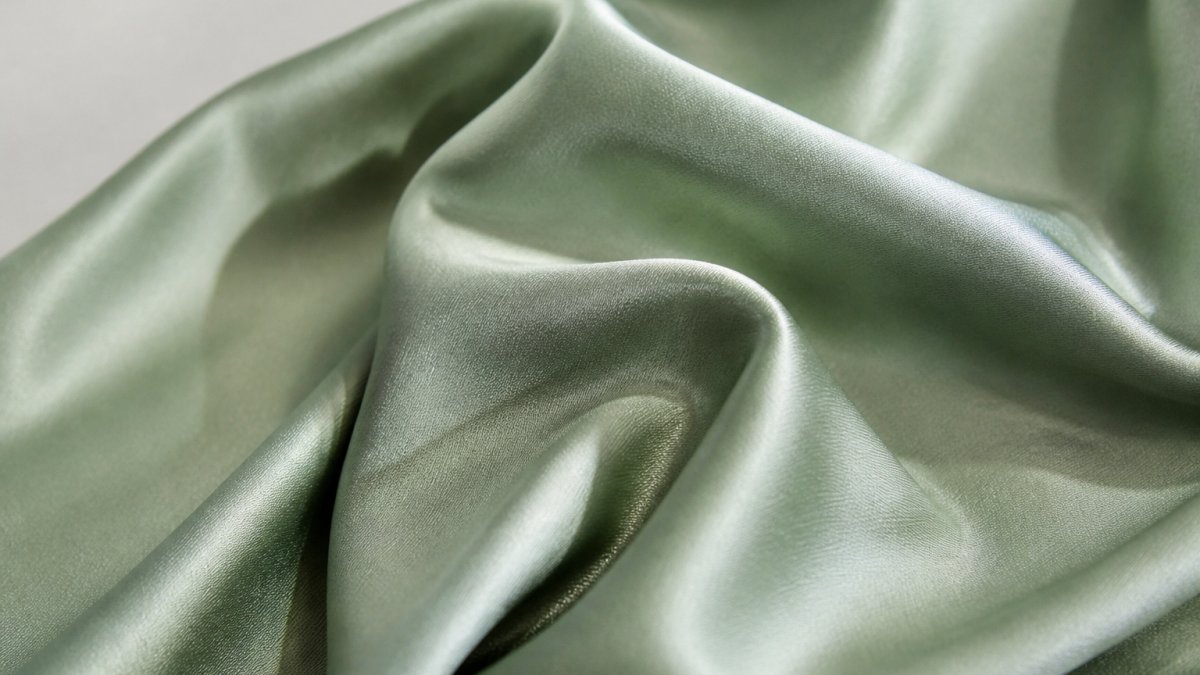
Beyond processing, bamboo viscose fiber itself has properties that help manage allergens. Bamboo naturally resists dust mite colonization. This resistance isn't a coating or treatment; it's inherent to how the regenerated cellulose fiber is structured. The tightly woven sateen construction of quality bamboo sheets makes the surface less hospitable to dust mites establishing themselves.
If you've struggled with dust mite allergies despite washing sheets regularly, the fabric itself might be the limiting factor. Switching to bamboo eliminates that barrier.
Breathability and Moisture Control
Bamboo viscose is highly breathable and actively wicks moisture away from your skin. This matters because humidity, whether from night sweats or ambient bedroom moisture, creates the conditions where dust mites and mold thrive.
When you sleep hot and sweat through the night, moisture accumulates in traditional sheets, creating an environment where dust mites thrive and mold can develop. Bamboo's moisture-wicking properties pull sweat away from your body and allow it to evaporate quickly. This keeps the fabric dry, and helps keep the conditions that trigger allergies from taking hold.
For hot sleepers with allergies, this difference is significant. You get cooling comfort without sacrificing the allergen control that makes the sheets worth buying in the first place.
Silk Sheets for Allergies: What the Evidence Shows
Silk is often positioned as hypoallergenic, and there's a kernel of truth there, but the reality is more nuanced than marketing suggests. Silk's reputation for allergy relief rests on comfort and smoothness, not on its ability to resist the allergens that actually trigger most sleep-disrupting reactions. More importantly, "allergy" means different things, and silk's suitability depends entirely on which type of allergy you have.
Silk Protein Sensitivity and Contact Reactions
Silk is a natural protein fiber, and some people experience contact irritation or allergic reactions specifically to silk protein itself. This is distinct from dust mite or mold allergies. If you have a confirmed silk protein sensitivity (often detected through patch testing or a history of reactions to silk clothing), silk sheets will worsen your symptoms, not relieve them. This is a critical distinction: silk's smoothness might reduce friction-based irritation for someone with eczema, but it offers no protection, and may cause harm, to someone with a silk protein allergy.
Silk dyes and finishing chemicals also matter. Lower-quality silk sheets may retain residual dyes, heavy metals from dyeing, or chemical finishes applied to improve sheen or wrinkle resistance. People with chemical sensitivities or contact dermatitis may react to these finishes rather than the silk fiber itself. Without transparency about processing and finishing, you cannot assume silk is "clean" or hypoallergenic.
Dust Mite and Mold Susceptibility
First, silk does not resist dust mites. If dust mite allergies are your primary concern, and they are for roughly 20 million people in the U.S., silk works against you.
Second, silk retains moisture. Over time, this moisture retention creates the humid microclimate where dust mites and mold thrive. For mold-sensitive individuals, this is a significant drawback.
Maintenance Burden and Durability
Silk's fragility creates a practical problem for allergy management. Allergy sufferers benefit from washing sheets weekly in hot water to kill dust mites and remove allergen accumulation. Silk cannot tolerate hot water without damage. This means you must choose: wash silk gently and risk allergen buildup, or wash it properly for allergies and degrade the fabric.
Silky Ivory Bamboo Sheet Set - Queen - Soft 7 Piece →
Best Sheets for Allergies: Key Factors to Consider
Choosing between bamboo and silk for allergies requires matching the fabric to your specific triggers. Start by identifying what actually disrupts your sleep: dust mite allergies, mold sensitivity, skin irritation, or chemical sensitivity.
If dust mites are your main trigger, bamboo sheets are a strong choice. The fiber naturally resists dust mite colonization, and the moisture-wicking prevents the humid conditions they thrive in. If your allergies manifest as skin irritation or rashes, bamboo can address skin sensitivity.
Consider also your sleep environment. Hot sleepers with allergies should prioritize moisture control, which bamboo handles far better. In most climates, bamboo's breathability serves both comfort and allergy management.
Finally, think about durability and cost. Bamboo sheets maintain their hypoallergenic properties through years of regular washing. For long-term allergy management, bamboo is a practical investment.
How to Wash Sheets for Allergies: Practical Steps
Washing technique directly impacts how well your sheets control allergens. Even the best hypoallergenic fabric loses its benefits if you're not removing dust mites, mold spores, and sweat residue effectively.
Wash your sheets weekly in hot water if your skin can tolerate it, or warm water if you have sensitive skin. Hot water kills dust mites more effectively than cold, which matters if you're dealing with dust mite allergies. Use a hypoallergenic detergent without dyes or perfumes, which can irritate sensitive skin. Avoid fabric softeners, they leave a coating that can trap allergens and irritate skin.
Dry on low heat or air-dry. High heat can damage bamboo fibers over time, reducing softness and potentially compromising the weave. Low heat or air-drying preserves the fabric's integrity and maintains its hypoallergenic properties longer.
Wash pillowcases separately or more frequently than fitted sheets if you're dealing with facial allergies or acne-prone skin. Your face spends hours on the pillowcase, so keeping it fresher helps.
| Washing Step | Best Practice | Why It Matters |
|---|---|---|
| Water temperature | Hot or warm | Kills dust mites and mold spores |
| Detergent type | Hypoallergenic, dye-free | Prevents skin irritation |
| Fabric softener | Skip it | Traps allergens and irritates skin |
| Drying temperature | Low heat or air-dry | Preserves fiber integrity and softness |
| Washing frequency | Weekly | Removes accumulated allergens |
| Pillowcase frequency | Weekly or twice weekly | Reduces facial allergen exposure |
Why Bamboo Sheets Stand Out for Allergy Relief
Bamboo sheets are a strong choice for most allergy-prone sleepers. The combination of natural dust mite resistance, moisture-wicking, hypoallergenic fiber, and practical durability addresses the root causes of sleep-disrupting allergies.
Bambusasheets' 7-piece bamboo viscose sets are designed with allergy sufferers in mind. The delicate sateen weave creates a tightly woven surface that naturally repels dust mites while maintaining the softness that matters for sensitive skin. The breathable bamboo fiber pulls sweat away from your body, preventing the humid environment where allergens thrive. The embroidered size indicators make it easy to wash and maintain properly, removing one barrier to the regular washing that allergy management requires.
When you're dealing with allergies, consistency matters. You need sheets that stay soft and hypoallergenic through weekly washing and that actually perform against the allergens disrupting your sleep. Bamboo sheets deliver on these fronts.
Allergies don't have to control your sleep. The right sheets address allergen accumulation at the source, dust mites, moisture, and skin irritation. Bambusasheets' bamboo viscose sheets combine natural hypoallergenic properties with moisture-wicking and durability that silk simply can't match. Start with the Classic White Bamboo Sheets in your size and experience how breathable, naturally allergen-resistant bedding transforms your nights. For hot sleepers seeking cooling comfort without compromising allergy relief, our sheets deliver both.
Frequently Asked Questions
Are bamboo sheets better than silk for allergies?
Bamboo sheets are a strong choice for allergy protection. Bamboo viscose fabric is naturally hypoallergenic and resists dust mite accumulation due to its tightly woven structure and moisture-wicking properties. For allergy sufferers, bamboo sheets are a reliable choice, especially when washed regularly in cold water to remove accumulated allergens.
What makes bamboo sheets hypoallergenic for sensitive skin?
Bamboo sheets are hypoallergenic because the fabric is naturally breathable and moisture-wicking, which prevents the humid environment dust mites thrive in. The sateen weave creates a smooth, tightly woven surface that resists allergen accumulation. Bamboo viscose also naturally repels bacteria, reducing skin irritation triggers. This combination makes bamboo sheets ideal for people with eczema, sensitive skin, or dust mite allergies who need bedding that actively manages moisture and allergen buildup.
How often should I wash sheets if I have allergies?
Allergy sufferers should wash sheets weekly in cold water on a gentle cycle to remove dust mites, pollen, and other allergens. Use a gentle cycle to preserve fabric durability, especially with bamboo viscose sheets. Tumble dry on low heat to avoid damaging the fibers. Weekly washing significantly reduces allergen accumulation and improves sleep quality for sensitive sleepers.
Can bamboo sheets help with eczema and skin sensitivity?
Yes. Bamboo sheets are excellent for eczema and sensitive skin because the fabric is naturally soft, smooth, and free from harsh chemical residues when properly cared for. The moisture-wicking properties prevent sweat buildup that can trigger eczema flare-ups, while the hypoallergenic nature reduces skin irritation from dust mites and allergens. The sateen weave minimizes friction against delicate skin, making bamboo sheets a practical choice for people managing eczema alongside allergies.