

Table of Contents
- Why Your Bed Traps Heat: The Science of a Hot Bed
- How to Cool a Memory Foam Mattress
- The Best Sheets for Hot Sleepers: Bamboo Viscose and Beyond
- The Best Blankets for Hot Sleepers
- Bedroom Temperature, Humidity, and Airflow: A Troubleshooting Guide
- When to See a Doctor: Medical Causes of Night Sweats
- Conclusion: Building a Cooler Bed for Better Sleep
- Frequently Asked Questions
Last Updated: October 12, 2026
Why Your Bed Traps Heat: The Science of a Hot Bed
If you wake up sweaty and kicking off the covers and ask, "Why Does My Bed Feel So Hot at Night?", you are not imagining it. Your bed can trap heat, and the reason usually comes down to what is between you and the mattress.
When you sleep, your body sheds heat to cool its core temperature. That heat has to go somewhere. If your bedding and mattress block airflow, the warmth has nowhere to escape. It pools around you instead.
Here is what most guides miss: the mattress is often the biggest culprit. Memory foam is dense, and dense materials hold heat. A foam mattress can act like a warm blanket under your body all night.
Your sheets matter just as much. Synthetic fabrics and tight weaves trap moisture and warmth against your skin. Breathable bedding lets that heat move away from you.
At Bambusasheets, we hear from hot sleepers every week. The fix is rarely one thing. It is usually a mix of your mattress, your bedding, and your bedroom. Below, we break down each cause and how to fix it.
Sleep Foundation guide to sleeping hot
How to Cool a Memory Foam Mattress
Memory foam is dense and slow to release heat, so it holds your body heat in place instead of letting it escape. The foam molds to your shape, which feels supportive, but that same conforming contact reduces the airflow between you and the surface. The result is a warm pocket that builds through the night.
Before you spend money, run a quick test to confirm the mattress is the culprit:
- Sleep on the same mattress with only a thin cotton sheet and no protector. If you still wake up hot, the foam is likely the main source.
- Sleep on a different bed for two or three nights. If you stay cool, your mattress is trapping heat.
- Check the age. Foam breaks down over time, and an older mattress can compress and lose the airflow channels it once had.
- Look at the base. A solid platform or a mattress sitting directly on the floor blocks airflow underneath and traps heat from below.
If the mattress is the problem, here are the fixes ranked from cheapest to most involved:
- Add a breathable layer. A thin cotton or wool mattress pad creates a small air gap between you and the foam. Wool in particular moves moisture away from your skin.
- Swap the protector. A waterproof plastic-backed protector seals heat in. A breathable, moisture-wicking protector lets air pass through while still guarding against spills.
- Try a cooling pad. Some pads use phase-change materials or graphite-infused fabric to pull heat away. They help, but most lose effectiveness after a few hours and need airflow to work.
- Improve the base. A slatted bed frame lets air circulate under the mattress. If you use a solid platform, consider adding a breathable underlay.
- Rotate and air the mattress. Rotating it spreads wear, and leaving the bedding pulled back during the day lets trapped moisture escape.
A topper or pad alone will not fix a hot mattress, but it can make a meaningful difference. The goal is to break the direct contact between your body and the foam so heat has somewhere to go.
Mattress Toppers and Breathable Mattress Protectors
A breathable mattress protector is a thin layer that keeps spills out while letting air pass through. Unlike waterproof plastic covers, breathable versions do not seal heat in.
Look for these features:
- Moisture-wicking fabric that pulls sweat away
- A breathable backing, not a solid plastic one
- A snug fit that does not bunch up
If your protector feels plasticky or crinkles, it is probably trapping heat. Swap it for a breathable option.
The Best Sheets for Hot Sleepers: Bamboo Viscose and Beyond
The best sheets for hot sleepers are breathable, moisture-wicking fabrics like bamboo viscose, linen, or percale cotton. These let heat and sweat move away from your body instead of trapping them.
Fabric choice matters more than thread count. A high thread count can actually mean a tighter weave and less airflow.
Here is how the main options compare:
| Fabric | Breathability | Moisture Wicking | Best For |
|---|---|---|---|
| Bamboo viscose | High | High | Hot sleepers, sensitive skin |
| Linen | High | Medium | Warm rooms, rustic feel |
| Percale cotton | Medium-High | Medium | Classic crisp feel |
| Sateen cotton | Low-Medium | Low | Cool sleepers |
| Polyester blends | Low | Low | Budget buys only |
Why Bamboo Viscose Sheets Work for Hot Sleepers
Bamboo viscose is a soft, breathable fabric made from bamboo fiber. It wicks moisture and lets air move, which helps hot sleepers stay cooler through the night.
The weave matters too. A sateen weave gives bamboo sheets a silky, smooth feel without sealing out air. That is why so many hot sleepers switch to bamboo.

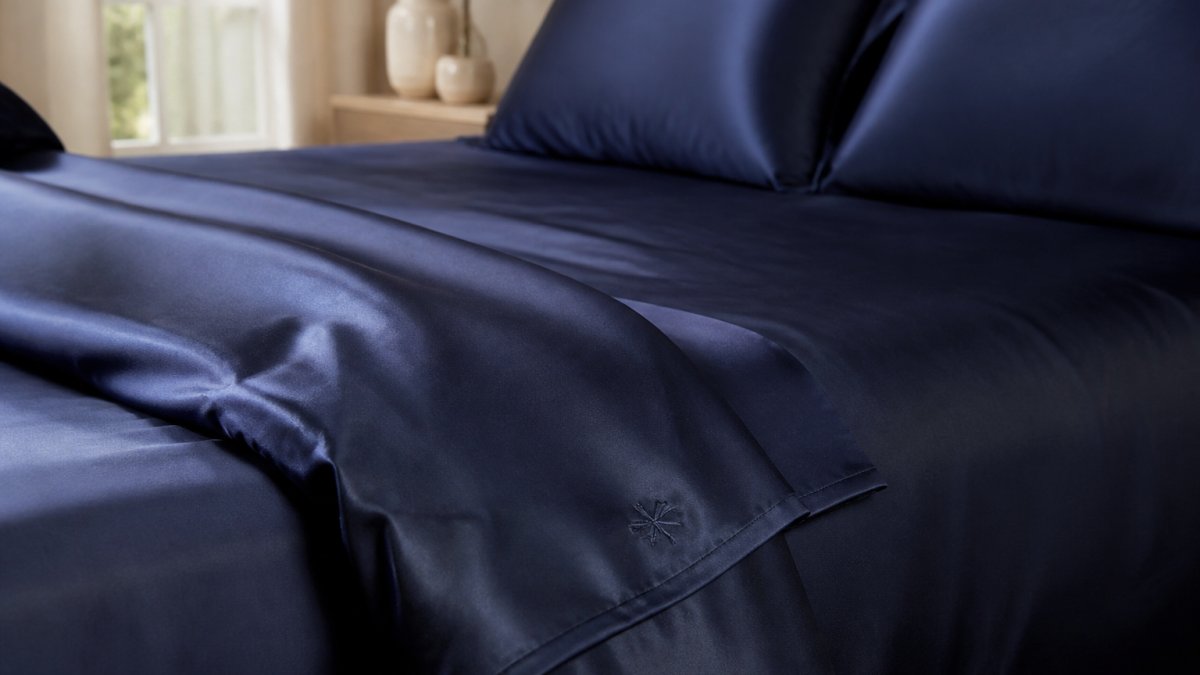
Our Bambusasheets sets are built around this idea. Each 7-piece set includes a fitted sheet, flat sheet, four pillowcases, and a storage bag. The bamboo viscose is breathable, moisture-wicking, and hypoallergenic.
The details help too. Embroidered size letters on the corners mean you never put the fitted sheet on backwards. Deep pockets fit thick mattresses and toppers. And the sateen weave resists pilling wash after wash.
For hot sleepers who want a soft, cooling set, our Navy Cooling Bamboo Sheets are a strong place to start.
The Best Blankets for Hot Sleepers
The best blankets for hot sleepers are lightweight, breathable, and made from natural fibers. Heavy comforters and synthetic fills trap heat and make overheating worse.
Navy Cooling Bamboo Sheets - Queen - 7pc Never Goes On Backwards →
Think about your blanket like a lid on a pot. A thick down comforter holds heat in. A light cotton or bamboo throw lets it escape.
Look for these features:
- Lightweight cotton, bamboo, or linen
- Breathable fill, not polyester
- A loose weave that lets air through
- A size that does not tuck in tightly
If you sleep with a partner who runs cold, try separate blankets. It sounds odd, but it solves the tug-of-war and lets each person control their own temperature.
Bedroom Temperature, Humidity, and Airflow: A Troubleshooting Guide
A cool, dry, well-ventilated bedroom is the foundation of cooler sleep. If your room is warm, humid, or stuffy, no sheet on earth will fully fix it. But "keep it cool" is not useful advice on its own. Here is how the three factors actually interact.
Temperature. Most sleep guidance points to a bedroom in the mid-60s to low 70s Fahrenheit for comfortable sleep, though personal comfort varies. The key is that your body needs to shed heat to fall asleep, so a room that is too warm works against that process.
Humidity. Damp air holds heat and slows the evaporation of sweat from your skin. That makes you feel hotter even when the thermostat reads the same. A common target is roughly 30 to 50 percent relative humidity. If your room feels clammy or your sheets feel damp in the morning, a dehumidifier can help more than lowering the temperature further.
Airflow. Moving air carries heat away from your skin and speeds evaporation. A ceiling fan or a small floor fan pointed across the bed makes a noticeable difference. If you tend to wake up with a dry mouth, aim the fan at the bed rather than directly at your face. Keep bedding off the floor so air can circulate around the mattress, and if your bed sits against a wall or in a corner, leave a small gap so air can move behind it.
Work through this checklist:
- Set your thermostat lower at night than during the day
- Run a fan to keep air moving across your skin
- Crack a window if outdoor air is cooler and drier
- Use a dehumidifier if your room feels damp
- Keep bedding off the floor so air can circulate
- Wash sheets weekly to remove sweat and oils
If you share a bed. A partner, a pet, or both can add significant heat. Two bodies under one comforter create a warmer microclimate than one. If you sleep with someone who runs cold, try separate blankets so each person controls their own temperature. A larger mattress gives each sleeper more space and reduces heat transfer.
CDC guidance on sleep and temperature
When to See a Doctor: Medical Causes of Night Sweats
Occasional night sweats are normal, but ongoing heavy sweating can point to something worth checking. Talk to a doctor if you soak your sheets most nights.
Common non-medical causes include a warm room, heavy bedding, and a late workout. But some health conditions can cause night sweats too.
See a doctor if you notice:
- Drenching sweats most nights
- Sweats with fever, weight loss, or chills
- Sweats that started with a new medication
- Sweats alongside fatigue or pain
We are bedding experts, not doctors. We cannot tell you what is causing your night sweats. But we can say this: if simple fixes like cooler bedding and a cooler room do not help, get it checked.
Conclusion: Building a Cooler Bed for Better Sleep
If you have been asking, "Why Does My Bed Feel So Hot at Night?", the answer is frustrating but usually fixable. Start with the biggest heat traps: your mattress, your protector, and your blankets. Then upgrade your sheets to a breathable fabric like bamboo viscose.
At Bambusasheets, our 7-piece bamboo viscose sets are made for exactly this problem. The breathable sateen weave, moisture-wicking fiber, and deep pockets keep you cool and your bed neat. Embroidered corner letters even make the bed in seconds.
Ready to stop waking up sweaty? Shop our cooling bamboo sheet sets and build a bed that stays cool all night.
Frequently Asked Questions
Why does my body get so hot at bedtime?
Your core temperature naturally drops in the evening to prepare for sleep, but several factors can interfere. A warm bedroom, thick bedding, or a mattress that traps heat can prevent that cooling process. Your body also releases heat through your skin, so if air can't circulate around you, that heat builds up. Spicy meals, alcohol, and vigorous exercise close to bedtime can raise your core temperature further. If overheating happens most nights despite a cool room and breathable bedding, it's worth mentioning to a doctor.
How can I cool a memory foam mattress?
Memory foam is dense, so it holds body heat rather than letting it escape. Start by adding a breathable mattress protector or a cooling mattress topper designed for airflow. You can also use a fan to circulate air directly over the bed, keep the room cool and dry, and choose moisture-wicking sheets that don't trap heat. Rotating or flipping the mattress (if it's flippable) helps it air out. If the mattress is old and consistently sleeps hot, replacing it with a hybrid or innerspring model may be the most effective long-term fix.
Which sheets are best for hot sleepers?
Look for sheets made from breathable, moisture-wicking fabrics like bamboo viscose, linen, or percale cotton. Bamboo viscose is naturally breathable and helps regulate body temperature, making it a strong choice for hot sleepers. It also feels silky-soft and resists pilling. Avoid polyester and microfiber, which trap heat and moisture. A sateen weave can add durability without sacrificing airflow. Bambusasheets offers 7-piece bamboo viscose sets with deep pockets and embroidered size indicators, designed to stay put and keep you cool.
Do heavy blankets make you sleep hotter?
Yes. Heavy blankets, especially those made from synthetic fills or dense weaves, trap body heat and reduce airflow. If you sleep hot, choose a lightweight blanket made from breathable materials like cotton, bamboo, or wool. Layering with a thin, breathable blanket lets you adjust warmth without overheating. A weighted blanket can feel comforting, but if it's too warm, try a cooling version or use it only during cooler months. The goal is to let heat escape while staying comfortable.