

Last Updated: October 25, 2026
Quick Summary
Moisture-wicking pillowcases hot sleepers choose pull sweat away from skin so it evaporates quickly, creating a cooler, drier sleep surface. Bamboo viscose, lyocell, and modal fabrics wick moisture faster than cotton and resist bacterial odor, making them ideal for night sweats and frequent washing.
- Bamboo viscose with sateen weave dries fast, resists pilling, and stays soft after repeated washing.
- Test drying time, airflow, surface temperature, and moisture management before buying to verify wicking performance.
- Pair moisture-wicking pillowcases with breathable pillow cores like shredded latex or gel-infused, not memory foam, for full cooling benefit.
- Wash pillowcases weekly on cold water if you sweat heavily to preserve wicking effectiveness and prevent odor buildup.
- Buy two pillowcases per pillow and rotate mid-week so you never sleep on a damp surface while the other dries.
Table of Contents
- Why Moisture-Wicking Pillowcases Matter for Hot Sleepers
- Moisture-Wicking Pillowcase Materials That Actually Work
- Best Pillowcases for Night Sweats
- Silk vs. Cotton Pillowcases for Sleeping
- How to Keep Your Pillow Cool at Night
- Bamboo Viscose Pillowcases for Cooling Comfort
- Finding Your Ideal Pillowcase Setup
- Frequently Asked Questions
Why Moisture-Wicking Pillowcases Matter for Hot Sleepers
Conventional pillowcases trap heat and absorb sweat, leaving hot sleepers damp and uncomfortable. Here's why moisture-wicking pillowcases hot sleepers choose beat standard cotton.
Moisture-wicking pillowcases pull sweat away from your skin so it evaporates quickly, creating a cooler, drier sleep surface. Cotton absorbs moisture and holds it against your skin; wicking fabrics move sweat away and maintain a comfortable microclimate.
Hot sleepers who switch to moisture-wicking materials report fewer nighttime awakenings and more consistent sleep quality. At Bambusasheets, our bamboo viscose sheets combine breathability with a silky feel.
Constantly flipping your pillow to find the cool side disrupts sleep cycles; a properly moisture-wicking pillowcase eliminates that frustration.
Moisture-Wicking Pillowcase Materials That Actually Work
Not all moisture-wicking materials perform equally. Here's how the main options compare.
Bamboo viscose is one of the most effective moisture-wicking fabrics available.
It's also hypoallergenic and naturally repels bacteria, ideal for hot sleepers with sensitive skin. It resists pilling and stays soft after frequent washing.
Modal and Tencel are other viscose-based options with similar moisture-wicking benefits, produced from sustainably sourced wood pulp.
Mulberry silk wicks moisture through its protein structure, which regulates temperature naturally, but requires delicate care and costs more than bamboo viscose.
Moisture-wicking moves sweat away from your body, while cooling fabrics actively reduce heat. Bamboo viscose does both: it wicks moisture and has a naturally cool-to-the-touch sensation hot sleepers appreciate immediately.
Best Pillowcases for Night Sweats
Night sweats differ from general hot sleeping: general hot sleeping is about trapped heat, while night sweats load the fabric with liquid moisture. A pillowcase that only feels cool on contact can become saturated and clammy within hours. The cases that work share three traits: high moisture regain, fast drying, and enough air permeability to let vapor escape.
What to test before you buy
Rather than trusting "cooling" claims on the package, evaluate a pillowcase on four measures you can approximate at home:
- Drying time. Wet a 4-inch square of the fabric, wring it gently, and time how long it takes to feel dry at room temperature. Viscose-based fabrics typically dry faster than tight-weave cotton; synthetics can feel dry quickly but hold odor.
- Airflow. Hold the fabric up to a lamp or window and see how much light passes through. A sateen weave passes less light than a percale or open knit, so pair sateen with a breathable pillow rather than a memory foam core.
- Surface temperature feel. Place the fabric on a cool surface for two minutes, then touch it. Cool-to-the-touch is a contact sensation, not a moisture-management property, the two are different and should be judged separately.
- Moisture management under load. Dampen the fabric, lay it over a glass of warm water, and watch whether moisture beads on the surface (poor wicking) or spreads and evaporates (good wicking).
Fabric-by-fabric for night sweats
| Fabric | Moisture regain | Drying speed | Care burden | Best for |
|---|---|---|---|---|
| Bamboo viscose (sateen) | High | Fast | Machine wash cold, gentle | Heavy sweaters who want softness |
| Lyocell (Tencel) | High | Fast | Machine wash cold | Sensitive skin, odor control |
| Modal | High | Moderate | Machine wash cold | Drape and softness |
| Mulberry silk | Moderate | Moderate | Hand wash or delicate | Skin and hair friction |
| Long-staple cotton (percale) | Moderate | Moderate | Machine wash warm | Breathability on a budget |
| Polyester "cooling" knit | Low | Fast (surface) | Machine wash | Short-term cool feel only |
Fabric matters less than fabric plus pillow core. A moisture-wicking pillowcase over memory foam still traps heat because the foam releases heat slowly. Pair a wicking case with a shredded latex, down-alternative, or gel-infused pillow for the full benefit.
Laundering durability: the test most guides skip
Cooling finishes and soft hand-feel can fade with washing. Before committing, wash a pillowcase five to ten times on your actual cycle and re-check pilling, wicking (repeat the water-spread test), and shrinkage. Viscose-based fabrics hold up well but can shrink 2-4% on the first hot wash, so choose a size with slack if you dry on low heat.
Practical picks by scenario
- Heavy night sweats, frequent washing: a bamboo viscose sateen pillowcase with an envelope closure, washed weekly on cold and tumble-dried low. The sateen surface stays smooth and the closure keeps the pillow from sliding out during the night.
- Sensitive skin plus sweating: lyocell or bamboo viscose, both of which are smooth and resist bacterial odor better than cotton after repeated damp nights.
- Budget-first: a long-staple cotton percale pillowcase is breathable and cheap to replace, but expect to change it more often because it holds moisture longer.
- Hair and skin friction priority: silk, accepting the hand-wash burden and higher replacement cost.
If you sweat heavily, buy two pillowcases per pillow and rotate them mid-week. Wicking performance drops once a case is saturated, and a spare keeps you from sleeping on a damp surface while the other is in the wash.
For readers building a full setup, the Navy Cooling Bamboo Sheets - Queen - 7pc Never Goes On Backwards includes four pillowcases in bamboo viscose with embroidered corner markers, which helps when you're changing cases half-asleep. Pair them with a breathable pillow core rather than memory foam to get the full moisture-management benefit.

Silk vs. Cotton Pillowcases for Sleeping
Most silk-versus-cotton comparisons stop at "silk is smooth, cotton is breathable," missing the two attributes moisture-wicking pillowcases hot sleepers need to separate: moisture wicking (moving sweat away from skin so it evaporates) and cooling (a cool-to-the-touch sensation or active heat transfer). Distinguishing between these mechanisms requires a deeper look at the technical differences between breathable versus moisture-wicking fabrics to ensure your bedding choice effectively manages both thermal regulation and perspiration.
Wicking vs. cooling, defined separately
- Wicking is moisture transport. High moisture regain absorbs sweat from the skin and spreads it across the fiber so it evaporates faster. Viscose-based fabrics and cotton both wick; silk wicks moderately; polyester wicks poorly despite feeling dry.
- Cooling is heat. A cool-to-the-touch fabric conducts heat away from skin on contact. Silk feels cool initially but warms up; cotton feels neutral; some viscose and lyocell fabrics stay cooler longer thanks to their fiber structure.
A pillowcase can wick well and not feel cool, or feel cool and not wick. For night sweats, prioritize wicking. For general hot sleeping without heavy sweating, prioritize cooling feel.
Head-to-head trade-offs
| Attribute | Silk | Long-staple cotton |
|---|---|---|
| Wicking | Moderate | Moderate |
| Cool-to-touch feel | High initially, fades | Low to neutral |
| Breathability | Moderate | High (percale) |
| Skin friction | Very low | Moderate |
| Care | Hand wash or delicate cycle; low heat | Machine wash warm; tumble dry |
| Durability | Delicate; snags and water spots | Durable; softens with washing |
| Shrinkage | Low if cared for | 3-5% on first hot wash |
| Cost per year of use | High (delicate care, replacement) | Low |
| Skin sensitivity | Generally well tolerated | Well tolerated; residue-free detergents help |
Care and cost over time
Silk's real cost is the care burden: hand washing, low-heat drying, and gentle detergents add up in time and replacement frequency. Cotton tolerates hot washes and frequent laundering, which matters if you sweat heavily. If you wash pillowcases more than once a week, cotton's durability usually outweighs silk's feel.
Fit and pillow compatibility
Fit changes how each fabric performs. Silk has little stretch, so a slightly small case pulls tight and reduces airflow; cotton percale drapes loosely, allowing air movement. Match the case to your pillow loft: standard fits 20" x 26", queen 20" x 30", king 20" x 36". With a high-loft pillow, size up so the case doesn't compress the fill.
Navy Cooling Bamboo Sheets - Queen - 7pc Never Goes On Backwards →
Where viscose-based fabrics fit
Bamboo viscose and lyocell sit between silk and cotton on feel and beat both on wicking for heavy sweaters. They machine wash cold, resist pilling better than silk, and feel cooler than cotton. They can shrink slightly on the first wash, but for hot sleepers who sweat heavily and wash often, that combination usually wins.
Choose silk for skin and hair friction, cotton for durability and easy care, and viscose-based fabrics when wicking and cool-to-touch feel matter most. Judge wicking and cooling separately, a fabric that feels cool isn't necessarily moving sweat away from your skin.
For a deeper look at how material choice affects allergy-prone sleepers, see the Bamboo vs Silk Sheets for Allergies: Which Is Better? guide.
How to Keep Your Pillow Cool at Night
Flip your pillow frequently. Flipping to the cool side extends the cooling effect and prevents localized heat buildup.
Choose pillows with cooling properties. A moisture-wicking pillowcase works best with a pillow designed for hot sleepers.
Wash pillowcases weekly if you sweat heavily. Sweat buildup reduces wicking effectiveness even in the best fabrics. Weekly cold-water washing keeps the case fresh and preserves cooling performance.
Avoid synthetic pillowcases. Polyester and other synthetics don't breathe well and trap heat; natural fibers like bamboo viscose, cotton, and silk all outperform them for temperature regulation.
The Best Cooling Sheets for Hot Sleepers guide covers complementary bedding choices that work alongside pillowcases to maintain consistent temperature throughout the night.
Bamboo Viscose Pillowcases for Cooling Comfort
Bamboo viscose has emerged as the gold standard for hot sleepers, thanks to its unique properties.
The viscose process creates fibers with natural micro-gaps that allow air circulation, making bamboo viscose inherently breathable.
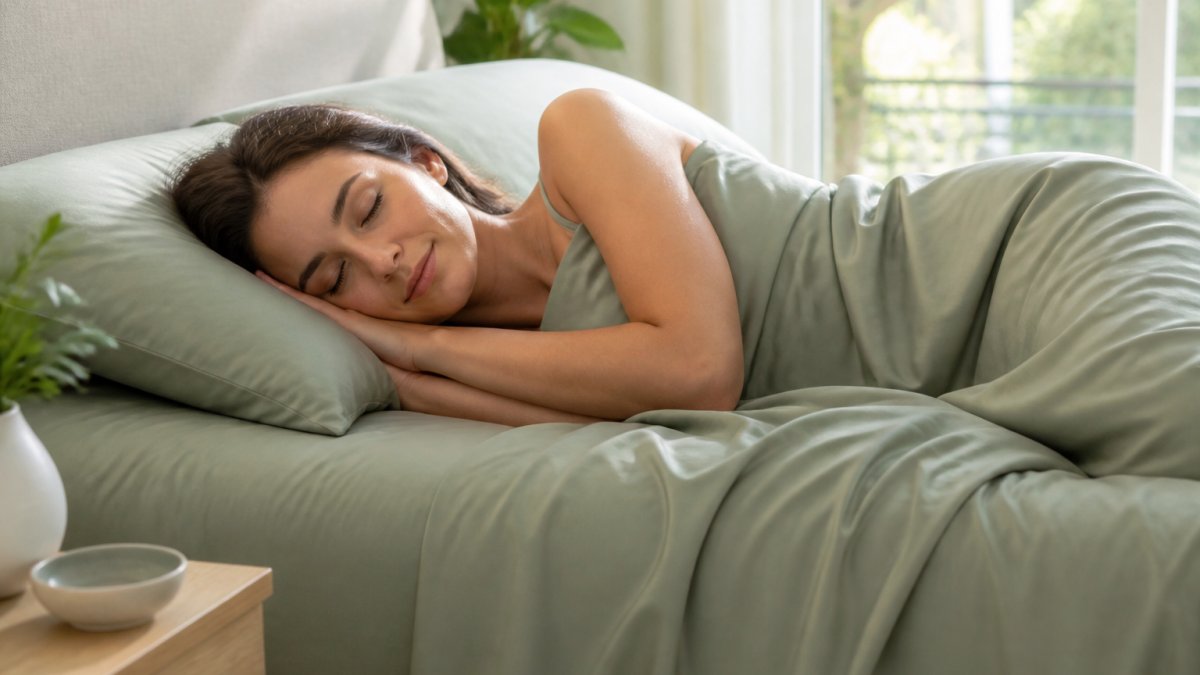
The sateen weave adds durability without sacrificing softness, creating a lustrous, silky surface that resists pilling through regular washing.
Bamboo viscose is naturally hypoallergenic and resists bacterial growth, which matters for hot sleepers who sweat and wash frequently.
Finding Your Ideal Pillowcase Setup
Choosing the right pillowcase means matching fabric properties to your sleep challenges.
| Concern | Best Fabric | Why It Works |
|---|---|---|
| Night sweats | Bamboo viscose | Rapid moisture-wicking and quick-drying |
| Heat retention | Bamboo viscose | Breathable construction prevents heat buildup |
| Sensitive skin | Bamboo viscose or silk | Hypoallergenic and gentle on skin |
| Budget-conscious | Cotton with moisture-wicking treatment | Affordable with adequate cooling |
| Maximum durability | Bamboo viscose sateen | Resists pilling and maintains softness |
Hot sleepers on memory foam benefit most from moisture-wicking pillowcases, since the foam already retains heat; with a cooling gel mattress, any quality pillowcase works.
Pillow size matters too: a properly fitting case stays in place and maintains consistent skin contact, while loose cases bunch into uncomfortable folds.
Buy Cooling Bamboo Viscose Sheet Sets to explore the complete range of options available.
The Hypoallergenic Sheets for Night Sweats: A Complete Guide provides comprehensive guidance on hypoallergenic sheets specifically designed for night sweats, helping you build a complete sleep system optimized for your needs.
Choosing the right moisture-wicking pillowcase transforms sleep quality for hot sleepers. Breathable bamboo viscose, efficient moisture-wicking, and practical features like embroidered size markers address the real challenges hot sleepers face.
Frequently Asked Questions
Are bamboo pillowcases good for hot sleepers?
Yes. Bamboo viscose fabric is naturally breathable and moisture-wicking, helping regulate body temperature throughout the night. The sateen weave used in quality bamboo pillowcases creates a smooth surface that feels cool to the touch and allows air to flow freely, making it ideal for anyone who sleeps hot or experiences night sweats.
What is the difference between cooling and moisture-wicking pillowcases?
Moisture-wicking pillowcases absorb and transfer sweat away from your skin, keeping the surface dry. Cooling pillowcases are designed to feel cool to the touch and maintain that temperature longer. Bamboo viscose achieves both: it wicks moisture effectively while the sateen weave provides that cool-to-the-touch sensation hot sleepers need.
How often should you wash pillowcases if you sweat at night?
If you experience significant night sweats, wash pillowcases twice weekly or every 3-4 days. For light sweating, once weekly is sufficient. Bamboo viscose pillowcases maintain their softness and durability with regular washing in cold water on a gentle cycle, tumble dried on low heat.
Can a pillowcase help with night sweats?
A quality moisture-wicking pillowcase can significantly reduce discomfort from night sweats by pulling sweat away from your skin and promoting faster evaporation. While a pillowcase alone won't stop night sweats, pairing it with breathable sheets and a supportive sleep environment creates the conditions for better sleep quality and comfort.
