
Table of Contents
- How Hypoallergenic Sheets Help Manage Night Sweats
- Best Sheets for Night Sweats: What Materials Actually Work
- Cooling Sheets for Hot Sleepers: Temperature Regulation Explained
- Bamboo Viscose Sheets for Night Sweats: Why This Material Stands Out
- How to Wash Sheets After Night Sweats: Preserve Cooling and Allergen Control
- What Hypoallergenic Claims Actually Mean: Evidence and Limits
- Frequently Asked Questions
Last Updated: October 14, 2026
How Hypoallergenic Sheets Help Manage Night Sweats
The right sheets solve two problems at once: hypoallergenic sheets night sweats reduce allergens that disrupt sleep and manage moisture to keep you cool.
Dust mites, mold spores, and pet dander accumulate in bedding, irritating skin and airways and causing inflammation that wakes you up.
The Connection Between Allergens and Sleep Disruption
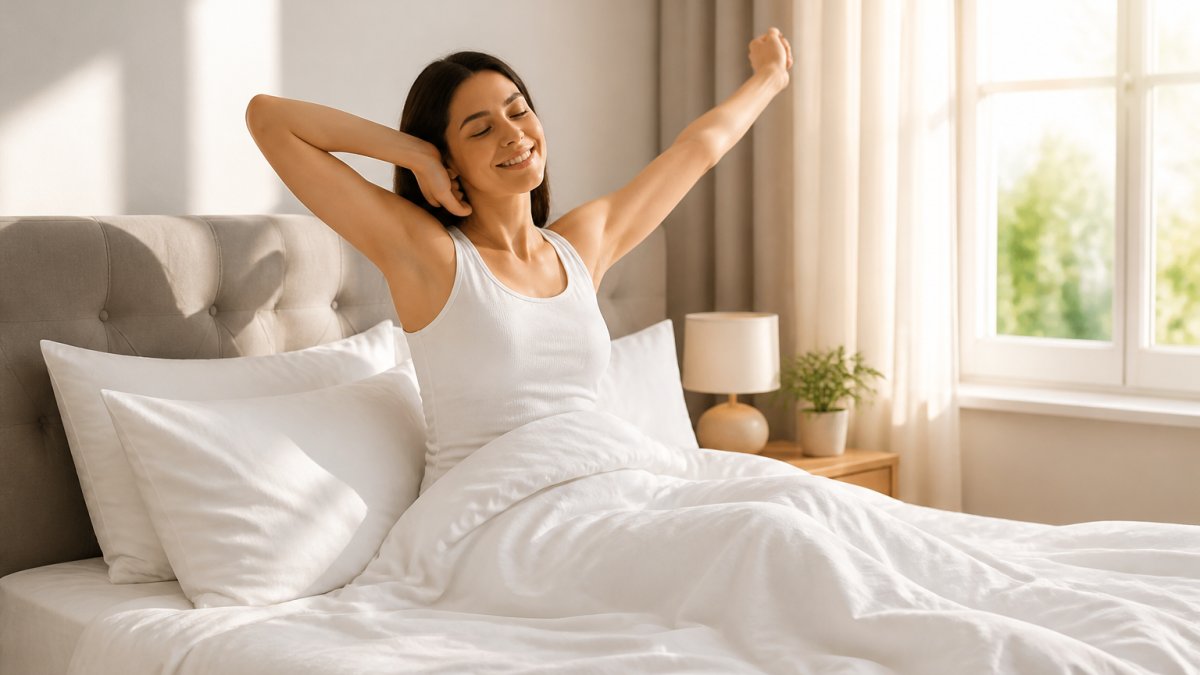
When allergens irritate your skin or airways, you itch, cough, and wake up, even without a diagnosed allergy.
Hypoallergenic sheets work by resisting allergen buildup:
- Tightly woven fabrics prevent dust mites from burrowing into the material
- Smooth surfaces reduce places where mold and pet dander can settle
- Natural fibers like bamboo viscose resist bacterial growth that triggers inflammation
Breathability and Moisture-Wicking as Cooling Factors
Breathability does double duty for hypoallergenic sheets night sweats: it keeps you cool and prevents the moisture that feeds allergens.
When sheets trap heat and sweat, the damp environment breeds dust mites and mold. Breathable sheets pull moisture away so it evaporates: sweat moves through the fabric instead of pooling against your skin, your body temperature drops, and the sheets dry faster, leaving less time for allergens to multiply.
Best Sheets for Night Sweats: What Materials Actually Work
Not all fabrics perform equally for night sweats. The best balance breathability, moisture absorption, and allergen resistance, and few are strong on all three, so the choice comes down to which trade-off you can live with.
Bamboo Viscose vs. Cotton Percale vs. Linen
Each material has strengths and tradeoffs for hot sleepers.
Bamboo viscose is naturally breathable and resists microbial growth.
Cotton percale is crisp and lightweight, and its one-over-one weave breathes well and dries quickly.
Linen is the most breathable option, pulling moisture away efficiently and regulating temperature well. But it wrinkles heavily, requires careful laundering, and generally costs more.
| Material | Breathability | Moisture-Wicking | Allergen Resistance | Durability | Best For |
|---|---|---|---|---|---|
| Bamboo Viscose | Excellent | Excellent | High (tight weave, microbial resistance) | High | Night sweats + sensitive skin |
| Cotton Percale | Good | Good | Low (looser weave) | High | Hot sleepers without allergies |
| Linen | Excellent | Excellent | Low to moderate | Medium | Maximum cooling only |
Fabric Weight and Weave: Why Sateen Outperforms Heavier Options
Heavier sheets trap heat; lighter sheets breathe. A sateen weave feels substantial while staying breathable, and its tighter structure resists pilling and blocks dust mite allergen better than an open weave. Heavy flannel or fleece retain heat and hold sweat, a poor match for night sweats. Target light to medium weight with a tight, even weave.
A Practical Selection Framework for Cooling Plus Allergen Control
If you need both cooling and lower allergen exposure, shop by these five criteria, in order:
1. Airflow first. If air can't move through the weave, heat stays trapped no matter how "cooling" the fiber claims to be.
2. Moisture handling second. The fabric should move sweat away from your skin and release it to the air.
3. Drying time third. Fast-drying fabric spends less time damp, serving cooling and allergen control at once.
**4.
5. Finish and treatment last. Inherent fiber properties don't wash out; applied coatings can degrade and may irritate sensitive skin.
How to Test Sheets for Real-World Performance
Product pages describe performance; your bed is where it gets tested. These criteria separate sheets that work from sheets that only sound like they do:
- Airflow, hold the fabric up to a light. A dense, even weave with minimal gaps is likely a better allergen barrier; if it feels stiff and airless, it may run warm.
- Moisture handling, mist a small area with water. A fast-wicking fabric spreads the moisture and dries quickly; a poor one holds a damp patch.
- Drying time, after washing, time how long the sheet takes to dry. Faster is better for both cooling and allergen control.
Run these checks on any sheet you're considering, including the ones you already own.
Cooling Sheets for Hot Sleepers: Temperature Regulation Explained
Temperature regulation happens through two mechanisms: breathability and moisture management.
How Breathability Reduces Heat Retention
Breathable fabrics let air circulate through the weave, pulling heat away from your body and dissipating it into the room. Tight, non-breathable fabrics trap heat instead, creating a warm microclimate around your skin.
Bamboo viscose's hollow fibers let air pass through easily, which is why bamboo sheets feel cooler to the touch than cotton at the same temperature.
Navy Cooling Bamboo Sheets - Queen - 7pc Never Goes On Backwards →
Moisture-Wicking and Sweat Absorption
Moisture-wicking fabrics pull sweat away from your skin and spread it across the sheet's surface, where it evaporates quickly and cools your body. Sheets that absorb sweat but don't wick it (like heavy cotton) trap moisture against your skin; sheets that wick but don't absorb leave you clammy.
Bamboo Viscose Sheets for Night Sweats: Why This Material Stands Out
Bamboo viscose is engineered for the exact problem night sweats create: moisture, heat, and allergen buildup.
Natural Hypoallergenic Properties and Bacteria Resistance
Bamboo viscose naturally resists bacterial growth, built into the fiber, not a chemical treatment. When bacteria can't proliferate, dust mites have less to feed on and mold growth slows. For sensitive skin, this matters: traditional cotton sheets can harbor bacteria that irritate skin, especially in warm, damp conditions.
Durability and Long-Term Performance for Hot Sleepers
Night sweats mean frequent washing, and your sheets need to survive that without degrading. Bamboo viscose with a sateen weave resists pilling and maintains softness through dozens of wash cycles. The long fibers used in quality bamboo sheets (like Bambusasheets) are stronger than short fibers, meaning less shedding and longer lifespan.
How to Wash Sheets After Night Sweats: Preserve Cooling and Allergen Control
Washing technique affects how long your sheets stay hypoallergenic and breathable.
Cold Water Washing and Gentle Cycles
Hot water damages bamboo viscose fibers and breaks down their natural hypoallergenic properties; cold water removes sweat and oils without that damage. A gentle cycle prevents excessive agitation, reducing pilling and fiber breakdown. Use a mild, fragrance-free detergent, heavy perfumes and optical brighteners can irritate sensitive skin and reduce breathability.
Drying Methods That Maintain Breathability
High heat in the dryer damages bamboo viscose fibers. Tumble dry on low heat, or air dry to extend sheet lifespan, air drying preserves the sateen finish and keeps fibers intact, while high heat shrinks the sheets and weakens the fibers. Never use fabric softener or dryer sheets; they coat the fibers with wax, reducing breathability and moisture-wicking.
What Hypoallergenic Claims Actually Mean: Evidence and Limits
"Hypoallergenic" is one of the most misunderstood words in bedding. It sounds like a guarantee. It isn't one.
What the Label Does and Doesn't Verify
There is no federal standard defining what a sheet must do to be called hypoallergenic. The term is a marketing descriptor, not a certification, a manufacturer can print it on a package without running a single allergen test. So look past the word to the specific mechanism behind the claim. Two sheets can both say "hypoallergenic" while working in completely different ways:
- Physical barriers, a tight weave or small pore size that keeps dust mite allergens from passing through the fabric
- Material properties, a fiber that resists moisture retention or microbial growth, starving dust mites and mold of what they need
- Finishes and treatments, an applied antimicrobial or allergen-barrier coating, which can wear off with washing and may irritate sensitive skin
The first two are built into the fabric; the third is a coating, and coatings behave differently over time. The question isn't "is it hypoallergenic?" but "what makes it hypoallergenic, and does that mechanism survive washing?"
Certifications and Test Criteria Worth Looking For
Because the word itself isn't regulated, third-party programs do the verifying. These are the ones shoppers can check:
- OEKO-TEX Standard 100, tests finished textiles for harmful substances like formaldehyde, heavy metals, and certain dyes. It addresses chemical safety, not dust mite penetration.
- GREENGUARD Gold, focuses on low chemical emissions, relevant if you're sensitive to off-gassing odors.
- Asthma and Allergy Foundation of America (AAFA) certification, the closest thing to an allergen-specific credential, reviewed against AAFA's criteria for asthma and allergy triggers.
Most of these programs test for chemicals, not whether dust mites can crawl through the weave. A sheet can be OEKO-TEX certified and still have a loose enough weave for mite allergen to pass through.
What Evidence to Ask For Before You Buy
When a product page makes a hypoallergenic claim, look for these specifics:
- Weave density or pore size. A tighter weave is a better physical barrier. If the listing doesn't mention weave structure, that's a signal.
- Fiber type and moisture handling. Moisture retention feeds dust mites and mold; a fiber that dries quickly removes their food and water source.
- Whether the benefit is inherent or applied. Inherent fiber properties don't wash out; applied finishes can.
- A named certification. "Hypoallergenic" alone is a claim; "OEKO-TEX Standard 100 certified" is verifiable.
- Wash durability. Ask whether the allergen-resistant property holds after 50 washes.
How Hypoallergenic and Cooling Benefits Overlap, and Where They Don't
Hypoallergenic and cooling properties are related, but one does not guarantee the other. They overlap in one important place: moisture.

The honest framing: hypoallergenic materials may reduce exposure to common irritants like dust mite allergen, mold spores, and pet dander. They do not reduce how much you sweat, and they do not treat the causes of night sweats.
When to Seek Medical Attention for Persistent Night Sweats
Night sweats can signal an underlying health issue. If you're waking soaked multiple times per week, or the sweating started suddenly, talk to a doctor.
Causes include:
- Hormonal changes
- Infections
- Certain medications
Better sheets help manage the symptom. A healthcare provider can determine what's causing your night sweats and recommend appropriate treatment. Mayo Clinic information on night sweats and when to seek care is a reasonable starting point for understanding when a symptom warrants a medical conversation.
Frequently Asked Questions
Can hypoallergenic sheets actually help with night sweats?
Yes, hypoallergenic sheets reduce two main sleep disruptors. First, they minimize allergens like dust mites and mold that trigger inflammation and skin irritation, which can worsen sweating. Second, breathable hypoallergenic materials like bamboo viscose actively wick moisture away from your skin, keeping you cooler and drier throughout the night. The combination addresses both the allergic response and the heat retention that intensifies night sweats.
Are bamboo viscose sheets breathable for hot sleepers?
Bamboo viscose sheets are naturally breathable and moisture-wicking, making them excellent for hot sleepers. The sateen weave used in quality bamboo viscose bedding creates an open fabric structure that allows air to circulate freely, reducing heat buildup. Unlike heavier cotton or synthetic blends, bamboo viscose actively pulls sweat away from your body and releases it quickly, helping regulate your body temperature throughout the night.
How often should you wash sheets if you sweat at night?
If you experience night sweats, wash your sheets every 2-3 days instead of the typical weekly schedule. Sweat creates moisture that encourages dust mites, mold, and bacteria growth, which can trigger allergies and skin irritation. Use cold water on a gentle cycle and tumble dry on low heat to preserve the breathability and hypoallergenic properties of your sheets. Avoid bleach or high heat, which can damage the fabric and reduce its cooling effectiveness.
What should I look for in sheets if I have sensitive skin?
Choose sheets made from naturally hypoallergenic materials like bamboo viscose with a sateen weave, which is gentle on sensitive skin and resists pilling. Look for bedding that naturally repels bacteria and dust mites rather than relying on chemical treatments. Ensure the sheets have deep pockets to stay anchored without bunching, and verify they're durable enough to withstand frequent washing without losing softness or breathability. Embroidered size indicators make it easier to care for your sheets correctly, reducing wear from improper handling.