
Table of Contents
- Are Bamboo Sheets Good for Eczema? The Short Answer
- How Bamboo Fabric Helps Eczema-Prone Skin
- Bamboo vs Cotton Sheets for Eczema
- Cooling Sheets for Night Sweats and Overheating
- Best Sheets for Eczema: What to Look For
- How to Wash Sheets for Sensitive Skin
- When Night Sweats and Itching Need a Doctor
- Conclusion: Choosing Bamboo Sheets for Eczema
- Frequently Asked Questions
Last Updated: October 15, 2026
Are Bamboo Sheets Good for Eczema? The Short Answer
Yes, bamboo sheets are a smart choice for eczema-prone skin. They wick moisture, cut friction, and stay breathable all night.

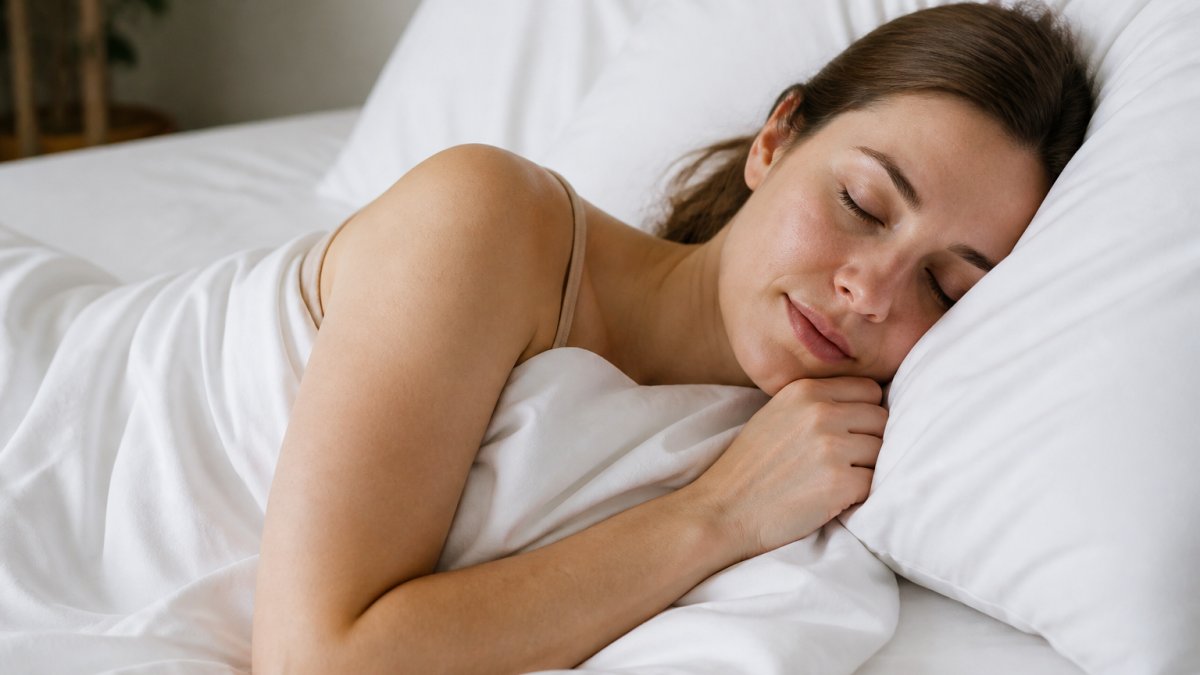
At Bambusasheets, we build our bedding around exactly this problem.
Here's the catch most guides skip: no sheet "treats" eczema. What bedding can do is remove the triggers that make itching worse.
Below, we'll show you what to look for, how bamboo compares to cotton, and how to wash sheets so they stay kind to your skin.
How Bamboo Fabric Helps Eczema-Prone Skin
Bamboo viscose helps eczema-prone skin by managing moisture and reducing friction. Those two factors drive a lot of nighttime itching.
People with eczema often have a weakened skin barrier. That means moisture escapes and irritants get in more easily. A sheet that holds sweat against the skin makes both problems worse.
Moisture-Wicking and Breathability
Bamboo fiber moves moisture away from your body. Instead of sitting in a damp patch, sweat spreads out and dries faster.
That matters because clammy skin is itchy skin. When you stay dry, you scratch less. When you scratch less, the skin barrier gets a chance to recover.
Breathability works alongside this. Air moves through the fabric, so trapped heat escapes. The result is a cooler, drier bed.
Softness and Less Friction on Sensitive Skin
Rough fabric rubs. Rubbing triggers itch. Bamboo viscose has a smooth, silky surface that glides over the skin instead of catching on it.
Our sheets use long bamboo fibers and a delicate sateen weave. That combo keeps the surface smooth wash after wash.
A common mistake is chasing thread count. For sensitive skin, surface smoothness matters far more than a big number on the label.
Bamboo vs Cotton Sheets for Eczema
Bamboo usually beats standard cotton for eczema, but the type of cotton matters. Neither wicks moisture as well as bamboo viscose.
Here's how the two stack up for sensitive, sweaty sleepers:
| Feature | Bamboo Viscose | Cotton Percale | Cotton Sateen |
|---|---|---|---|
| Moisture handling | Wicks and dries fast | Absorbs, dries slowly | Absorbs, holds dampness |
| Surface feel | Silky, smooth | Crisp, slightly rougher | Smooth but heavier |
| Breathability | High | High | Moderate |
| Heat retention | Low | Low | Higher |
| Best for | Hot, itchy sleepers | Cool sleepers | Cooler rooms |
Linen is another option. It breathes well and gets softer over time, but it starts out rougher than bamboo.
So if you're weighing bamboo vs cotton sheets for eczema, bamboo wins on moisture and smoothness. Cotton percale is the better cotton pick if you run cool.
Cooling Sheets for Night Sweats and Overheating
Cooling sheets for night sweats need two things: airflow and moisture movement. Bamboo viscose delivers both.
Overheating at night is a real trigger. Sweat sits on the skin, the skin itches, and you wake up scratching.
Look for these traits in any cooling sheet:
- Lightweight fabric that drapes without trapping air
- A breathable weave, like percale or sateen
- Moisture-wicking fiber, not a plastic-feeling coating
- Deep pockets so the sheet stays flat and smooth
One more thing: skip the heavy comforter on hot nights. A cooling sheet set plus a light blanket often works better than one thick layer.
Best Sheets for Eczema: What to Look For
The best sheets for eczema are smooth, breathable, and easy to wash. Fabric matters, but so do weave, weight, fit, and finish. Use the framework below to weigh cooling comfort against allergen control, because those two goals sometimes pull in different directions.
The four properties that actually matter
1. Fiber type. Bamboo viscose, TENCEL lyocell, and fine cotton percale all work well.
2. Weave. Sateen uses a higher thread count per square inch and produces a silky, draping surface that reduces friction.
3. Weight. Lightweight fabric drapes without trapping air. Heavier fabric can feel cozy but holds heat and moisture against the skin.
Fresh White Bamboo Sheets - Full - Light & Breathable 7pc →
4. Fit. Deep pockets keep the sheet flat and smooth on thick mattresses.
Cooling vs. allergen control: a decision framework
Most guides treat cooling and allergen control as separate topics. They overlap more than people realize, and sometimes they conflict.
| Your priority | Best fiber choice | Best weave | What to watch for |
|---|---|---|---|
| Cooling first | Bamboo viscose or TENCEL | Sateen or percale | Avoid heavy sateen; check for breathable finishes |
| Allergen control first | Tight-weave cotton or bamboo | Percale | Tight weave blocks dust mites but can reduce airflow |
| Both equally | Bamboo viscose | Sateen | Verify moisture-wicking claims and washability |
| Budget-conscious | Cotton percale | Percale | Still breathable, but less smooth than bamboo |
A tight weave helps block dust mites and other allergens, but a very tight weave can also reduce airflow. That trade-off is real. If you need both cooling and allergen control, a smooth bamboo viscose sateen is often the best compromise because it moves moisture well and has a tight enough surface to limit allergen penetration.
What "hypoallergenic" actually means
"Hypoallergenic" is a marketing term, not a regulated standard in the United States (the FDA). No sheet can promise zero reactions. What you can do is reduce exposure to common triggers.
Dust mites, mold, and pet dander thrive in damp, warm bedding. A sheet that dries fast gives them less to work with. That is where bamboo's moisture management quietly helps allergy-prone sleepers too. But moisture management alone does not make a sheet hypoallergenic. Look for these evidence-based signals instead:
- Certifications: OEKO-TEX Standard 100 verifies that a fabric has been tested for harmful substances. This is a real, third-party standard you can verify.
- Tight weave: A weave with a high thread count per square inch physically blocks dust mite allergens from passing through.
- Washability: Sheets that tolerate frequent hot-water washing make it easier to remove allergens. Check the care label before buying.
- No added finishes: Avoid sheets treated with antimicrobial coatings, formaldehyde-based wrinkle resisters, or synthetic softeners. These can irritate sensitive skin.
A quick pre-purchase checklist
- Fiber: Bamboo viscose, TENCEL, or fine cotton percale
- Weave: Sateen for smoothness, percale for crispness
- Weight: Lightweight, not heavy or stiff
- Fit: Deep pockets so the sheet stays smooth
- Dyes: Light or white sheets, fewer added dyes
For most hot, sensitive sleepers, we recommend starting with a smooth bamboo viscose set. Our Classic White Bamboo Sheets in Queen use a sateen weave and deep pockets, and the embroidered corner marks take the guesswork out of making the bed.
How to Wash Sheets for Sensitive Skin
Wash sheets for sensitive skin in cold water on a gentle cycle. Tumble dry on low. Skip bleach, fabric softener, and dryer sheets. That is the short version. The longer version matters more if you are trying to preserve both cooling performance and allergen control over time.
Why the wrong routine ruins good sheets
Fabric softener and dryer sheets leave a waxy film on fibers. That film traps heat, reduces airflow, and can irritate sensitive skin. It also blocks the moisture-wicking properties that make bamboo and TENCEL effective in the first place.
Hot water and high heat shrink and roughen bamboo over time. Cold wash and low dry keep the fabric smooth, and smooth fabric is the whole point.
A routine that preserves cooling and allergen control
- Wash in cold water on a gentle cycle. Cold water protects fiber integrity and reduces shrinkage.
- Use a fragrance-free, dye-free detergent. Look for detergents labeled for sensitive skin or free of added perfumes and dyes.
- Skip fabric softener and dryer sheets entirely. If you want softness, add a half-cup of white vinegar to the rinse cycle. It dissolves detergent residue without leaving a film.
- Tumble dry on low, or air dry. High heat is the enemy of smooth fibers. If you air dry, hang sheets in a well-ventilated area away from direct sunlight.
- Wash weekly if you sweat at night. For allergen control, wash every five to seven days in hot water if the care label allows it. Hot water kills dust mites more effectively than cold, but check the label first because hot water can damage bamboo viscose.
- Keep a second set on hand. Rotating two sets means you are never stuck waiting for laundry, and you can wash one while using the other.
How often to wash for allergen control
Dust mites accumulate quickly in bedding. Most allergists recommend washing sheets every week in hot water to reduce dust mite exposure. If your sheets cannot tolerate hot water, a weekly cold-water wash with a fragrance-free detergent still removes most surface allergens and sweat residue. Adding a dust mite allergen wash additive can help, but check that it is safe for your fabric first.
What to avoid
- Bleach: Breaks down fibers and roughens the surface.
- Fabric softener: Leaves a waxy film that traps heat and blocks moisture wicking.
- Dryer sheets: Same problem as fabric softener, plus added fragrances that can irritate skin.
- High heat: Shrinks and roughens bamboo and TENCEL fibers.
- Overloading the washer: Prevents proper rinsing and leaves detergent residue.
Our sets ship with a storage bag, which makes rotating two sets easy. Wash one, use one, and your bed never goes without.
When Night Sweats and Itching Need a Doctor
See a doctor if night sweats are heavy, drenching, or new. The same goes for itching that doesn't improve with better bedding.
Bedding fixes the environment. It can't fix a medical cause. Night sweats can stem from infections, hormone changes, some medications, or other conditions.
Talk to a doctor if you notice:
- Soaking the sheets most nights
- Fever, weight loss, or chills
- Itching that spreads or worsens
- Rashes that ooze, crust, or hurt
- No relief after weeks of gentle care
For general skin and sleep guidance, the American Academy of Dermatology publishes patient resources on eczema care. The CDC covers when night sweats may signal a health issue worth checking.
This article isn't medical advice. Use it to make better bedding choices, and let a doctor handle diagnosis.
Conclusion: Choosing Bamboo Sheets for Eczema
Bamboo sheets won't cure eczema, but they can remove three common nighttime triggers: heat, sweat, and friction. That's a meaningful win for anyone who wakes up itchy.
If you're ready to upgrade your bed, start with a set built for sensitive skin. Bambusasheets offers silky bamboo viscose that wicks moisture, a breathable sateen weave, and deep pockets that keep the sheet smooth all night.
Get started with Bambusasheets and wake up to a cooler, calmer, less itchy bed.
Frequently Asked Questions
Are bamboo sheets good for eczema-prone skin?
Yes, bamboo sheets can be a good choice for eczema-prone skin. Their silky, smooth texture reduces friction that can trigger itching, while the breathable, moisture-wicking fabric helps keep skin dry and cool. Less sweat and heat means fewer flare-ups for many people.
Can bamboo sheets help with itching at night?
Bamboo sheets can help reduce nighttime itching because they are softer and smoother than many cotton weaves, which means less rubbing against irritated skin. The fabric also pulls moisture away from your body, so you are less likely to wake up clammy. That said, sheets alone will not cure eczema. They work best as part of a routine that includes gentle washing, fragrance-free detergents, and any treatment your doctor recommends.
What type of sheets are best for eczema?
Look for sheets made from smooth, breathable fibers like bamboo viscose, TENCEL, or high-quality cotton percale. Avoid rough textures or heavy weaves that trap heat. Hypoallergenic sheets that resist dust mites and mold are also helpful. A sateen weave, like the one used in bamboo sheet sets, gives a silky feel that glides over skin instead of catching on it, which matters when your skin is already sensitive.
How often should you wash sheets if you have eczema?
Wash your sheets at least once a week if you have eczema, and more often if you sweat heavily at night. Use a gentle, fragrance-free detergent and cold water on a gentle cycle. Tumble dry on low heat. Regular washing removes dead skin cells, sweat, and allergens that can build up and trigger itching. Keeping a second set on hand makes it easier to stay consistent without skipping a wash.